License to Earn: How a Regional Orchestra Pays for Beethoven by Playing Star Wars
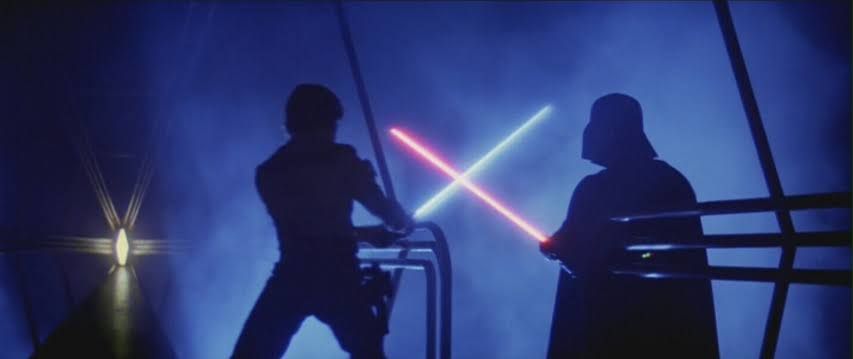
At the Bon Secours Wellness Arena in Greenville, South Carolina, the giveaway wasn't a beer koozie or a tote bag — it was a plastic lightsaber, and by the look of the packed arena glowing red and blue and green under the house lights, everyone had come prepared to use one. The Greenville Symphony Orchestra, an ensemble founded in 1948 that plays a season of Masterworks, Chamber, and free community concerts to more than 35,000 people a year at the Peace Center, was performing Star Wars: A New Hope on a screen at the back of the arena floor, playing John Williams's score live under a Disney Concerts license.
Disney Concerts, the concert-production and licensing arm of Disney Music Group, rents orchestras the full "live-to-picture" package instead of simply selling them a score: the film with its music track pulled out, a conductor's click track, physical parts, and a licensing fee — in exchange for filling an arena that a Brahms symphony night, however well played, typically can't. Nationally, pops and other non-classical programming — film screenings, video game scores, legacy rock acts — generates something close to a fifth of the average American orchestra's ticket revenue in a given year, according to the League of American Orchestras' own statistical reporting, and at some orchestras film-in-concert nights alone have grown close to parity with the traditional subscription series.
That arithmetic is why regional orchestras like Greenville's have made this trade, largely without controversy, over the past decade: license somebody else's blockbuster to subsidize the repertoire nobody's paying full freight to hear live. The two kinds of music propping each other up, though, are built to do opposite jobs, and the gap between them is worth spelling out plainly rather than waving past.
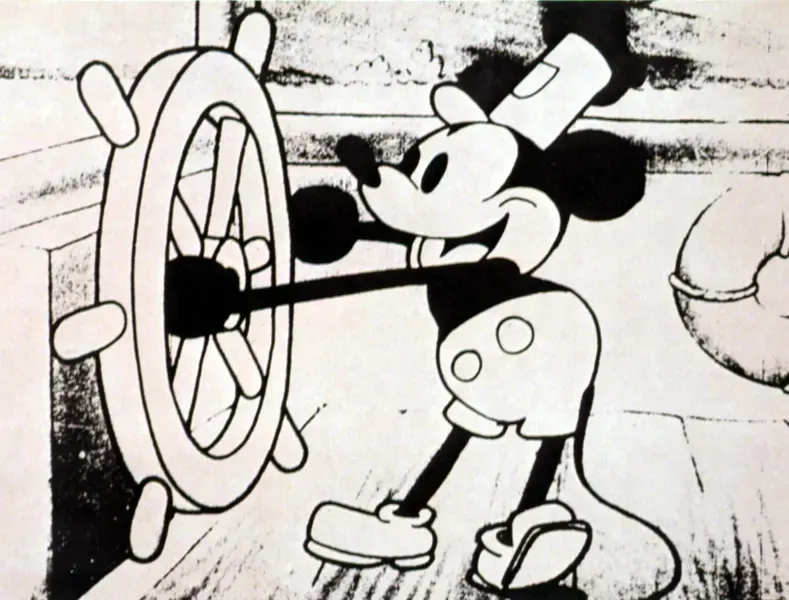
A film score's entire design is to stay out of the way. The composer and critic Kathryn Kalinak's summary of classical Hollywood practice is blunt: "music served the story," subordinated at every turn to dialogue and picture, its "volume, mood, and rhythm" dictated by what's happening on screen rather than by any musical logic of its own. The technique has its own vocabulary for how literal this gets: mickey-mousing, named for Walt Disney's 1928 Steamboat Willie, is when the music tracks the picture so tightly — a pizzicato note for every tiptoed step, a trombone slide for every pratfall — that the score stops being music with its own argument and becomes a sound effect with pitch. Williams himself has drawn the same line from the other side: describing his own concert arrangements of his film themes, pulled free of picture and dialogue, he's said the process lets him become "the director of his own music" for once, developing a melody the way the film itself never let him, because on screen the score has to duck the instant an actor opens their mouth.
Classical music asks for the opposite thing entirely. A symphony's whole architecture assumes a listener tracking a motif across twenty or forty minutes, waiting for a theme to return transformed, sitting still specifically to notice what's changed. Nothing in the concert hall is supposed to duck. That's not a minor stylistic difference — it's close to a structural opposite, and it raises a real question about what audiences are actually being trained to hear when an orchestra spends a Friday night ducking behind Harrison Ford's dialogue and then asks a subset of that same crowd to come back next month and sit with a Beethoven symphony that refuses to duck for anyone.
The League of American Orchestras' own data suggests the two audiences barely overlap at all: research cited industry-wide finds that listeners rarely cross over from pops programming into an orchestra's actual classical subscription series. If that's accurate, then Star Wars night isn't functioning as a gateway to Brahms night the way orchestras often frame it — it's functioning as a separate business, subsidizing the classical side without meaningfully growing it. Orchestras defend the arrangement anyway, and the defense isn't unreasonable: even a subsidy that doesn't convert a single new listener still keeps the lights on for the repertoire that can't sell itself, and an orchestra that can't pay its players plays no Beethoven for anyone. Whether that's a sustainable answer or a slow-motion redefinition of what a "symphony orchestra" concert actually is, on this evidence, isn't settled — the lightsabers keep selling out either way.