Bill McGlaughlin, Who Taught a Radio Audience How to Listen, Dies at 82
NYT Music
Bill McGlaughlin, the composer, conductor, and public-radio host whose programs 'Saint Paul Sunday' and 'Exploring Music' spent decades doing the unglamorous work of actually explaining classical music to listeners who had never been formally taught how to hear it, died July 21 at his home in Manhattan. He was 82. His wife, the jazz vocalist Karrin Allyson, said the cause was sudden cardiac arrest.
McGlaughlin came to broadcasting as a working musician rather than a critic by training -- a trombonist in the Philadelphia Orchestra under Eugene Ormandy and later the Pittsburgh Symphony under William Steinberg, with music degrees from Temple University (B.A. 1967, M.A. 1969). It was Steinberg who first pushed him toward the podium, and Georg Solti who gave him the blunter, more useful advice: that conducting was a skill that atrophied without a standing orchestra to practice on, not a talent that simply switched on.
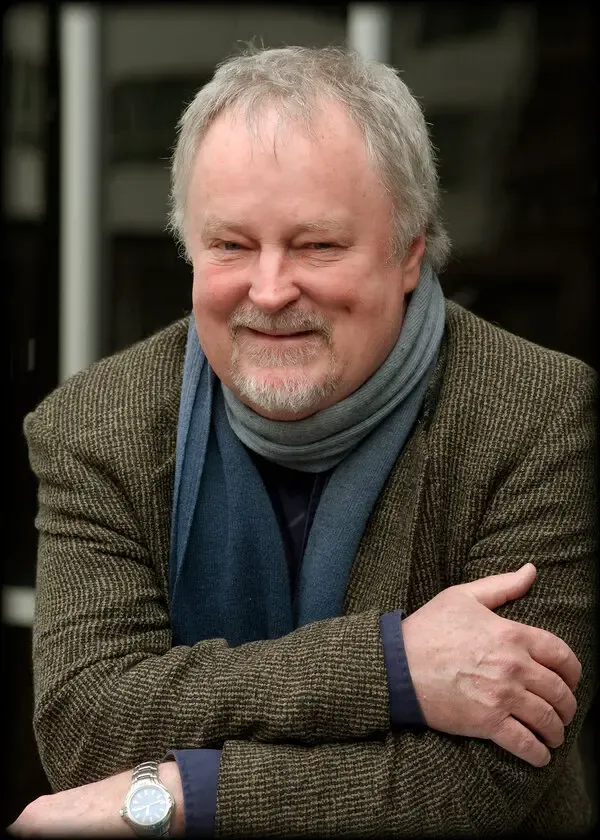
What set his radio work apart, colleagues said, was less any particular expertise than a refusal to gatekeep. 'His range of musical enthusiasms was enormous,' the pianist and teacher Paul Orgel said. 'His manner was straightforward, kind and unpretentious. And, most importantly, he played vast amounts of serious music, always in well-chosen performances. He didn't shy away from vocal music, challenging new music or obscure works that deserve exposure.' Orgel put it more bluntly elsewhere: McGlaughlin had 'almost single-handedly kept alive a sophisticated approach to what used to be called music appreciation' -- a genre most broadcasters had long since written off as too slow, too unglamorous, or too hard to sell.
At its height, 'Saint Paul Sunday' reached hundreds of thousands of listeners a week, a scale public classical radio rarely manages today, achieved less through polish than through McGlaughlin's own evident comfort moving between jazz, folk, literature, and the standard repertoire without treating any one of them as the serious one. The format he built outlasted the assumption, common when he started, that a mass audience for that kind of listening no longer existed.