Denver Puts It in Writing
OperaWire
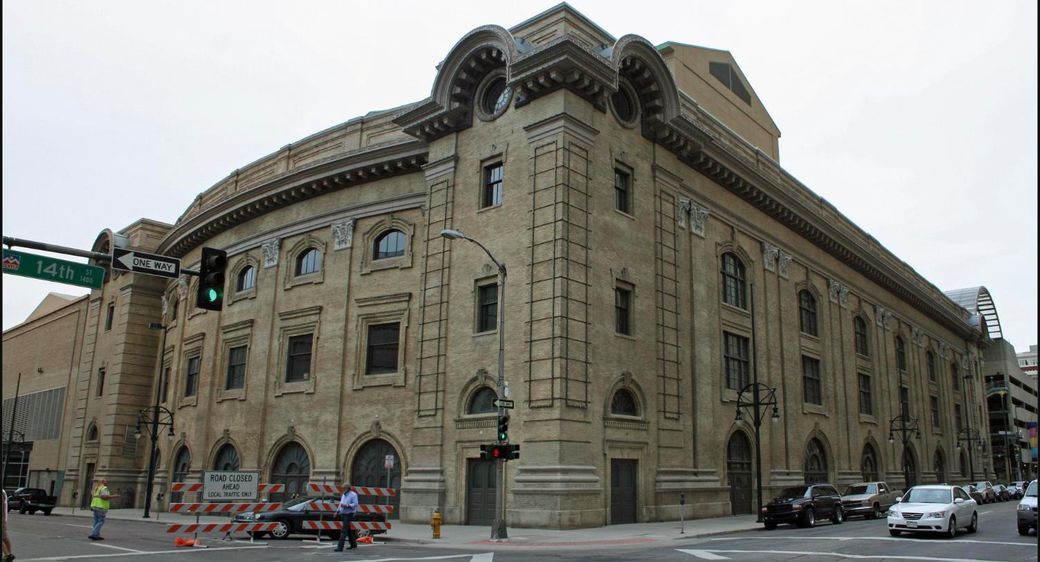
Opera Colorado, the Denver company founded in 1983 and the largest opera producer between Chicago and the West Coast, has signed the first collective bargaining agreement in its history — and, in the process, done something no American opera house has done in decades. Announced on 15 July and reached after roughly two and a half years of talks, the three-year contract with the American Guild of Musical Artists covers not just the principal singers but the chorus, the dancers, the staging crew and the artisans backstage, as OperaWire reports. It is, in other words, a single agreement for everyone who makes a production, from the tenor at the footlights to the carpenter who built them.
The significance is structural, not theatrical. American opera has spent a decade managing scarcity — shortened seasons, cancelled titles, companies going dark — and in lean years the reflex is to convert permanent staff into freelance line items, hired per show and released after the final curtain. A collective agreement runs the other way. It writes obligations down: who is paid, under what conditions, with what protections. Denver's vote, which followed a 2023 unionization drive, reverses that drift toward improvisation.
There is a warmer reading here, and it deserves to be taken seriously: a company that fixes its people in a contract is declaring them a permanent feature of its institutional life rather than a cost to be shed when the box office dips. But it is worth sitting with what two and a half years of resistance to writing that down actually represents. A chorus does not spend that long organizing and negotiating to be handed something an employer was eager to give; it does that to extract something an employer was reluctant to put in writing. The gap between those two stories — generosity offered versus stability won — is the gap the announcement itself doesn't measure.
There is an irony in the arrangement worth naming, since Taruskin himself pointed at a version of it: the "free" market artist, unshackled from any patron's leash, is largely a nineteenth-century story — one the era told about itself to justify selling tickets instead of drawing a salary from a prince's household. What Opera Colorado has just signed is, in structure, the older arrangement wearing modern paperwork: income decoupled from whether the house fills on a given Tuesday, guaranteed rather than earned show to show. That is not a knock on the contract — guaranteed income is exactly what a working chorus needs. It is a quiet admission that the pure market never actually paid for opera, in Denver or in Esterháza: some floor under the artist's income has always had to come from somewhere other than the box office, whether that somewhere was a prince's ledger or a ratified agreement. Denver didn't invent the floor. It only just got around to signing its name to one.
The open question — the one the announcement doesn't answer — is why it took two and a half years and a formal union vote to reach an arrangement this basic, and what else on the company's ledger was easier to fund than the people who make its stages run. Whether other regional houses follow will come down to whether they can afford the same honesty. But the direction Opera Colorado has chosen — toward written obligation, away from the handshake — is the direction organizations take when they mean to still be here in twenty years, whether they arrived at it willingly or not.