How Singers Are Made
Pizzicato
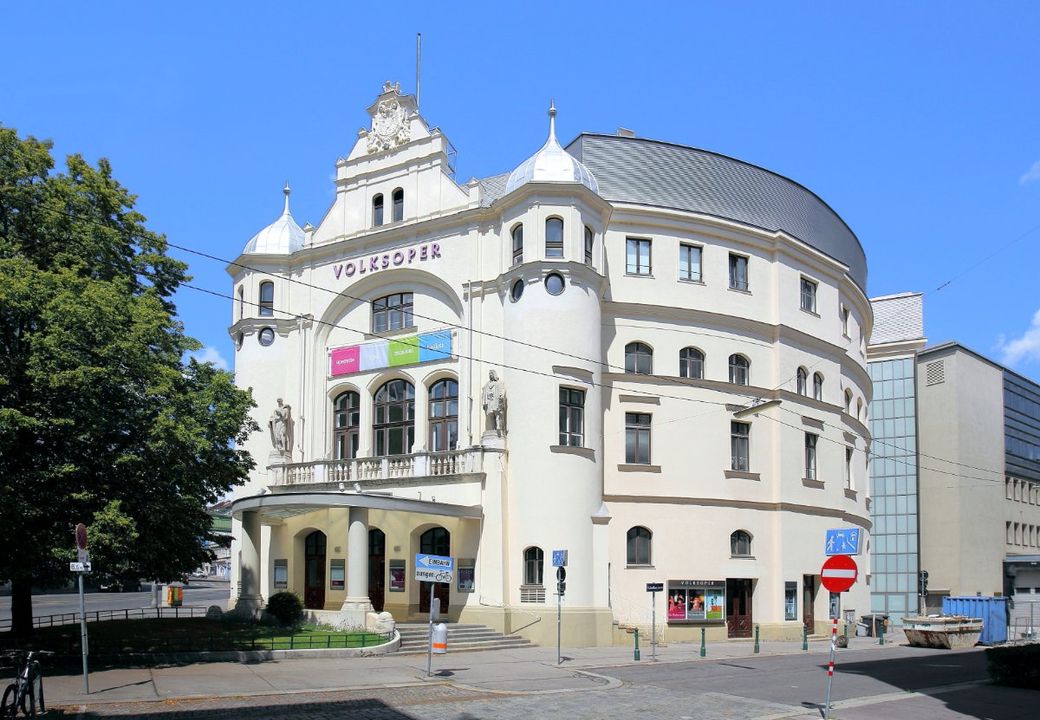
Trevor Haumschilt-Rocha's prize in France is a fine result for one baritone. It is also a small piece of evidence in a much older argument — about how an art form replaces itself — and that argument is why the win is worth more than a line in a results column.
Haumschilt-Rocha was trained inside the Volksoper Vienna's Opernstudio, the European house's oldest and least glamorous institution: the apprentice tier, where a young singer is bound to a working theatre for two or three seasons and learns the trade by doing it. Covering roles. Waiting in the wings. Absorbing an entire repertory in performance until technique stops being something you think about and becomes something you have. It is the operatic equivalent of the guild workshop, where a painter ground pigment for years before he was trusted near the master's canvas — slow, unglamorous, and unmatched at producing people who can actually do the work.
Which raises the uncomfortable question of why almost no American company still runs one.
Read the rest of this essay — on what the apprentice model still has to teach the institutions that abandoned it — with a Stradisphere membership: stradispheremusic.com/blog-1/how-singers-are-made