Lorenzo Da Ponte and the Physical Topography of Immigrant Reinvention
NYT Music
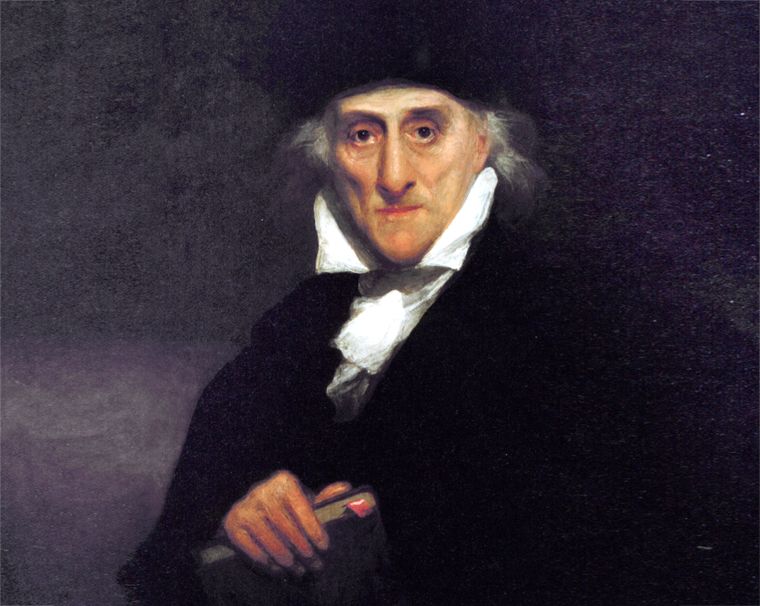
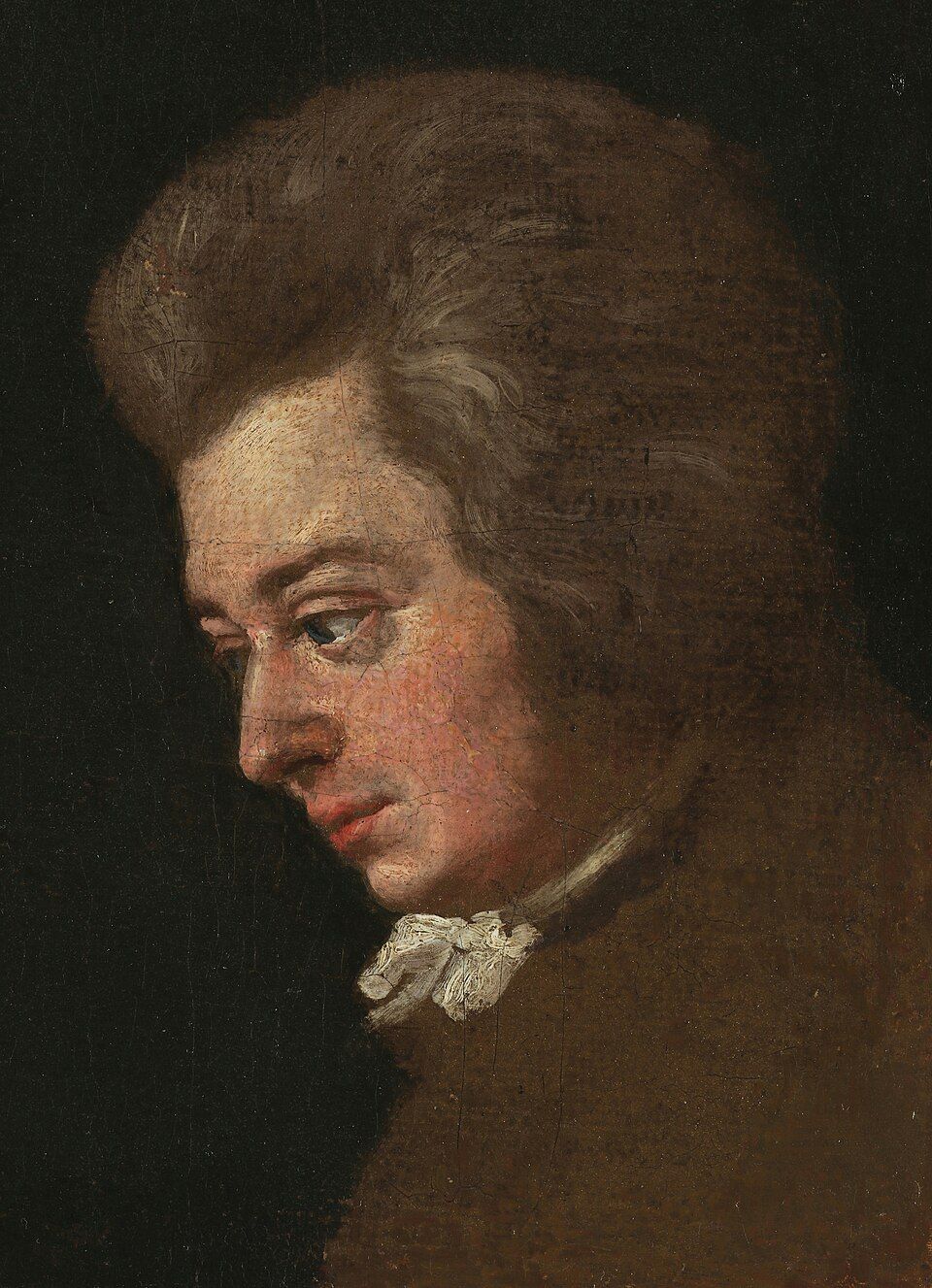
Vienna, 1785: Emperor Joseph II had just banned a play from the stage — Beaumarchais's The Marriage of Figaro, already outlawed for years in Paris, where Louis XVI is said to have remarked that the Bastille would have to fall before it was safe to perform. A year later, that same banned play was singing in the Emperor's own opera house, its politics quietly defused, its servant-outsmarts-master plot fully intact. The men who pulled that off were a Salzburg composer not yet thirty and a Venetian poet with a habit of landing exactly on the century's fault lines: Wolfgang Amadeus Mozart and Lorenzo Da Ponte. No composer-librettist partnership in opera's history is better known than theirs. Da Ponte is the half most people couldn't describe.
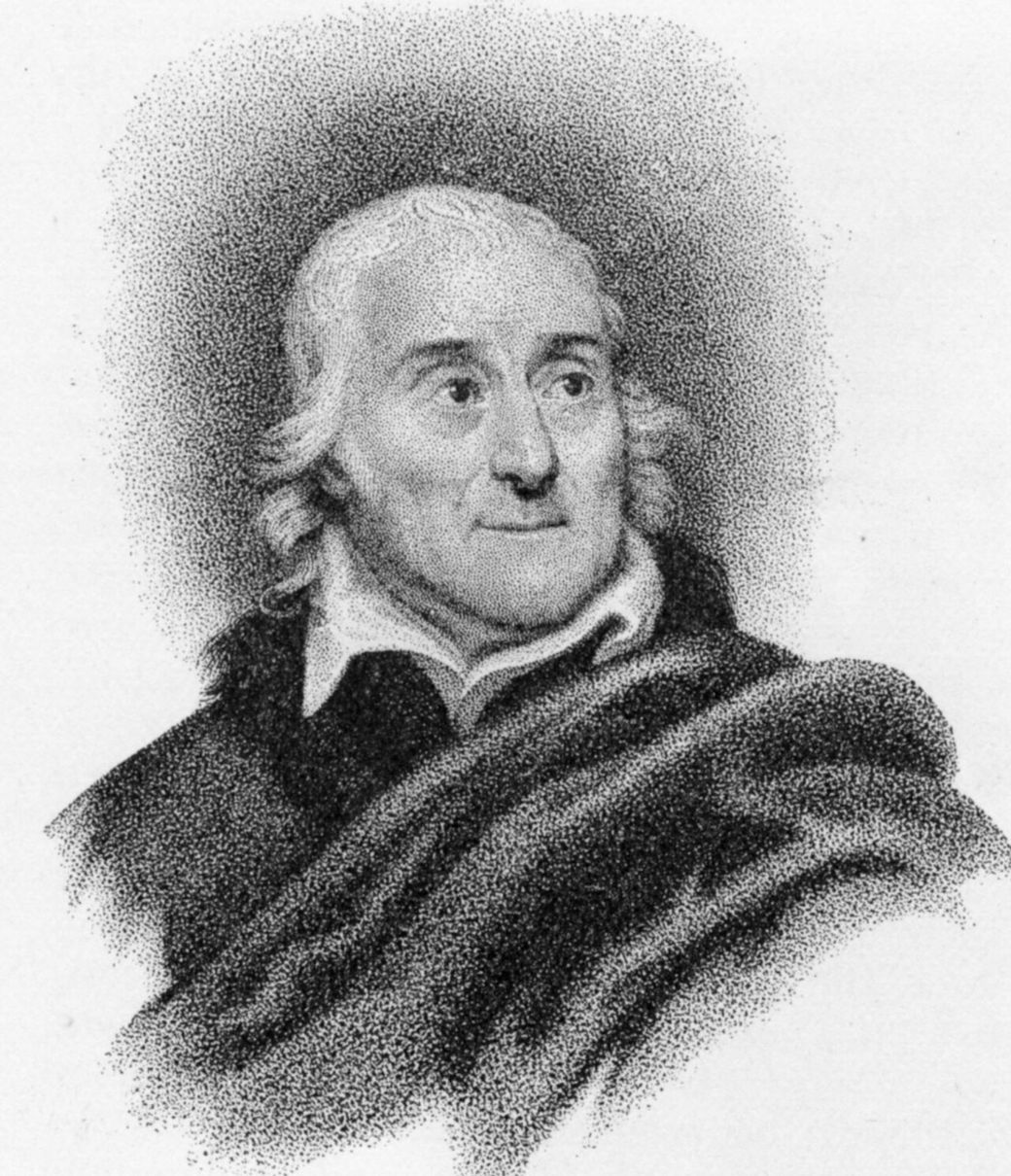
He was born Emanuele Conegliano in 1749, in the Jewish ghetto of Ceneda, a small town in the Republic of Venice. His mother, Rachele Pincherle, died when he was five, leaving his father, a leather tanner, to raise three sons alone. At fourteen, his father converted the family to Catholicism to remarry a Christian woman — a legal requirement, not a private choice — and the bishop who baptized them gave the boy his own name: Lorenzo Da Ponte. Baptism opened an education that would otherwise have been closed to him. He took it all the way to the priesthood, ordained in 1773, and spent the next six years demonstrating exactly how unsuited he was to it, ending in a 1779 banishment from Venice for adultery and public concubinage.
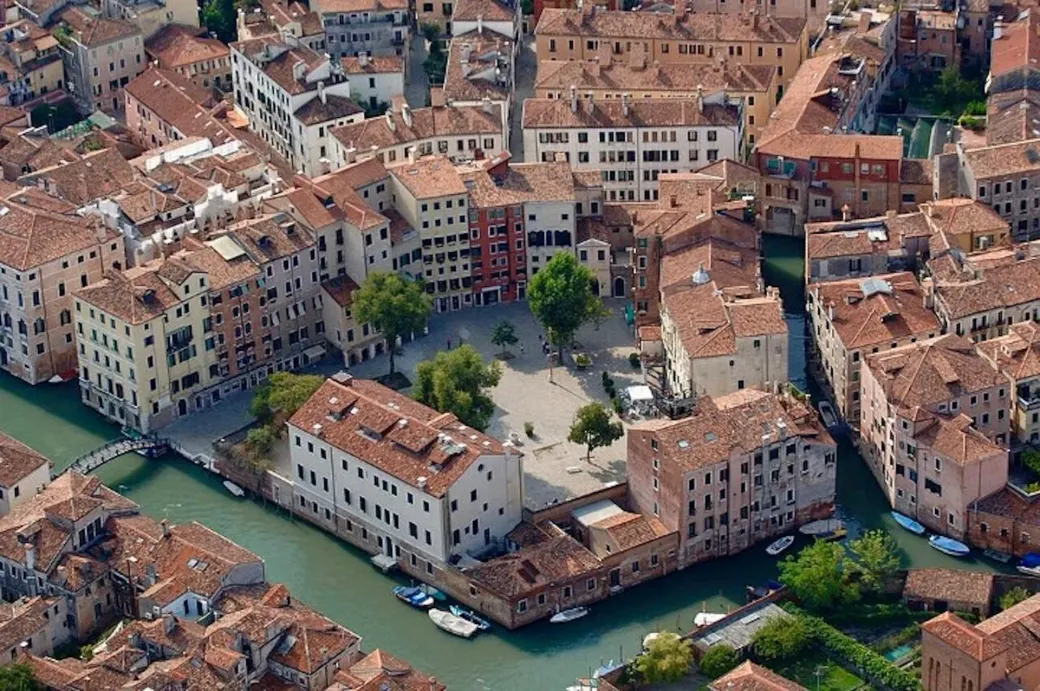
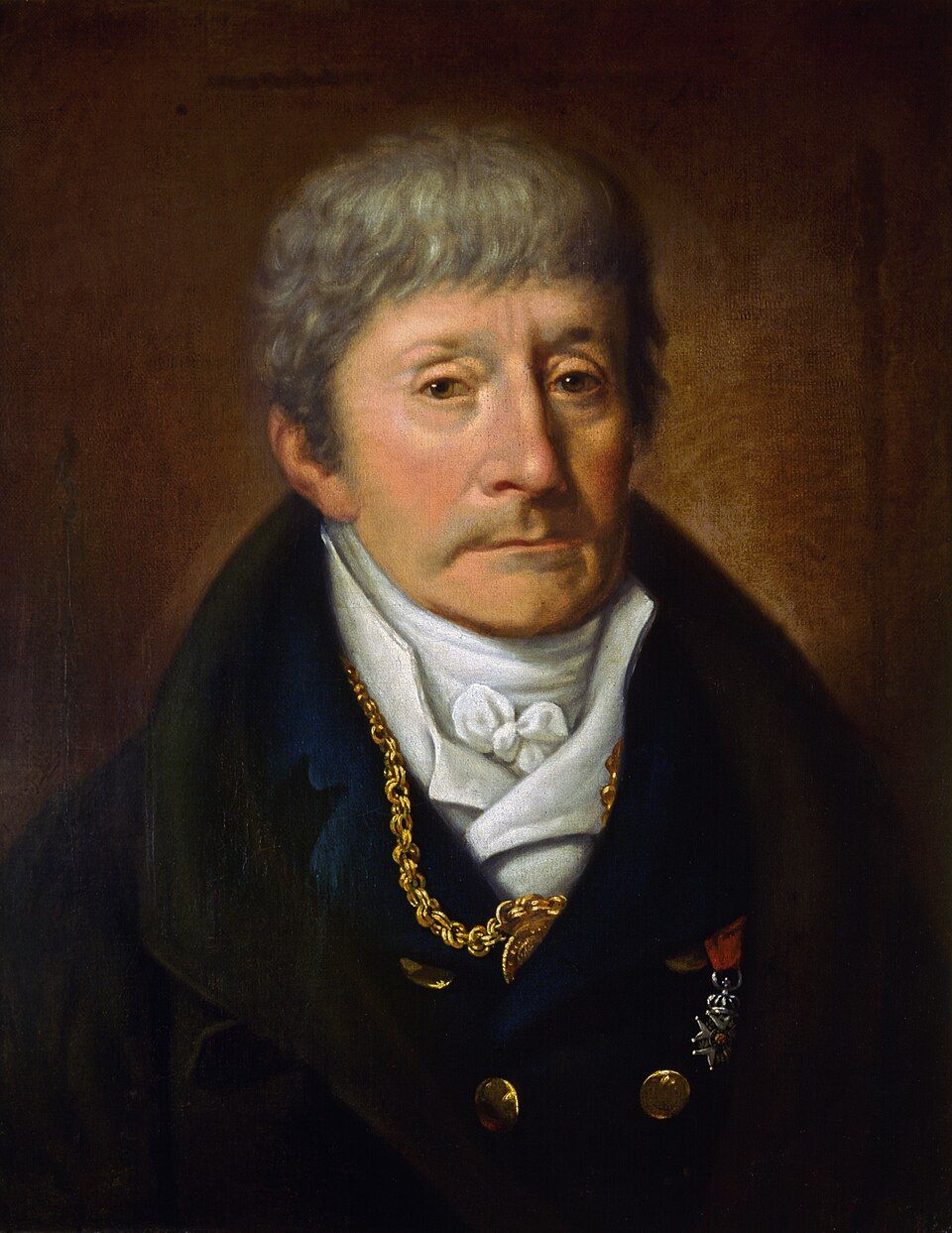
He arrived in Vienna in 1781, and two years later, backed by court composer Antonio Salieri, was appointed poet to the Italian theater at that same Habsburg court — a post that came just three months after Joseph II's Edict of Tolerance, the decree that let Vienna's Jews worship openly for the first time. Vienna had its own history with people in Da Ponte's exact position — a converso, someone forced or pressured into converting from Judaism — and that history had a specific, brutal marker: the Vienna Gesera, the 1421 expulsion and massacre of the city's Jewish population, still a live memory in how Vienna's Jewish community understood its own precariousness three and a half centuries later. Da Ponte spent the rest of his life making sure nobody looked too closely at his own version of it: his Memoirs never name his parents or say they were Jewish, and the one time he referenced his origins in his own writing, it was a verse recalling enemies who'd once shouted he should be sent "back in the ghetto, whence came his guilty race." He met Mozart in 1783, likely through Raimund Wetzlar, a fellow converso and one of Mozart's patrons — Mozart himself, in letters home, called Wetzlar "the rich converted Jew." Over the next seven years the two of them produced Le nozze di Figaro (1786), Don Giovanni(1787), and Così fan tutte (1790). None of Da Ponte's actual origins were confirmed in print until 1900, when a seminary archivist in Treviso finally located the church records.
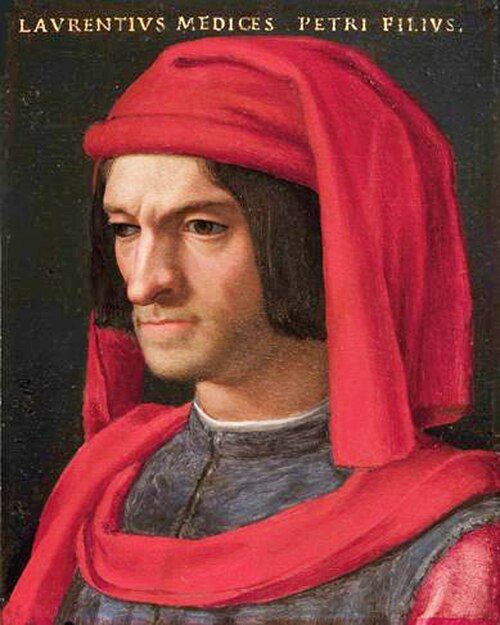
Opera was born as political theater. The Medici commissioned the first operas in Florence around 1600 — Jacopo Peri's Dafne and Euridice, the latter staged for Maria de' Medici's wedding to Henry IV of France — as displays of state power dressed up as myth. By the time the genre had hardened into what we now call opera seria, in the early eighteenth century, it had taken on a second job: teaching the proletariat how to behave. Pietro Metastasio, the poet whose librettos defined the form for the whole century, wrote kings and queens caught between love and duty, always resolving in favor of duty — virtue rewarded, passion disciplined, honor upheld. Metastasio held the exact post Da Ponte would later hold, imperial poet at the Habsburg court, until his death in 1782, the year before Da Ponte took the post himself.
Da Ponte wrote none of that. Opera buffa, his genre, put servants and tradesmen onstage instead of kings — Figaro is a valet outmaneuvering a count who assumes his rank should settle every argument — and Da Ponte, a converso from a ghetto, ordained into a church he never really belonged in, banished from his own city, had lived closer to that world than most poets writing for a Habsburg court. Da Ponte gave that story its words. What Mozart did with the music went further than the words asked for — he used the score to let audiences hear the interior life of people opera had rarely bothered to give one to. It starts at the very top of Figaro: a duettino built on a mismatch that's easy to miss and hard to unhear once it's pointed out. Figaro is pacing off the room where their marriage bed will go, counting his steps in plain, even quarter notes — "Cinque... dieci... venti..." (five, ten, twenty, etc.) — while Susanna, trying on the wedding bonnet she made herself, sings in faster eighth notes, already talking to him. He keeps counting. She keeps talking. For several bars neither one is actually listening to the other — he's doing arithmetic, she's admiring a hat, and the two lines run side by side without meeting. Only when she finally turns and says it straight to him — "Guarda un po', mio caro Figaro" ("Just look, my dear Figaro") — does her line slow to match his; when he finally looks up and answers, his line speeds up to match hers, and stays there. Da Ponte wrote the dialogue. Mozart wrote the part where they aren't listening to each other yet. He kept doing this at larger scale: in Don Giovanni's Act 1 finale, three separate onstage orchestras play a minuet, a folia, and an allemande at once, in three different meters, one dance per social class filling the ballroom, audible together rather than in sequence; by Figaro's Act 2 finale, what starts as a duet between two characters keeps absorbing new arrivals until seven people are singing at once, the key changing with nearly every entrance, roughly twenty minutes without a break in sung dialogue. None of it — who's counting, who's interrupting, who's arriving, who's finally heard — exists in the libretto. It's what the music does to the words once they leave the page.
Mozart died in December 1791. Da Ponte's own position in Vienna didn't survive him by much — he fled to Trieste, then Paris, then London, where he spent over a decade as a librettist and theater manager before the venture collapsed under him financially. In 1805 he emigrated to New York, where he tried and failed at running a grocery business. In 1807, at Riley's bookstore, he met Clement Clarke Moore — later the presumed author of "A Visit from St. Nicholas" — who became a lasting friend and patron.
By the early 1810s Da Ponte had moved his family to Sunbury, Pennsylvania, where the Susquehanna River reminded him enough of the Lombardy countryside to write about it. By 1814 he'd built a three-story brick house on Third and Market Street, store below and a still running behind it. In 1813, Congress had imposed a federal excise tax on distilled spirits to help fund the War of 1812, assessed by still capacity rather than actual output — a burden that fell hardest on small operators like Da Ponte, whose distillery couldn't absorb it the way a larger one could. By 1816 he was forced to sell the property at a loss, for $1,203.38. Congress repealed the tax in 1817 — a year too late for him. He left Sunbury for good on August 14, 1818, writing that he was leaving behind "a new Egypt."
Back in New York, he sold and donated much of his personal library — a number of those books and papers eventually made their way into what are now the New York Public Library's collections. In 1825 he was appointed Columbia College's first professor of Italian literature, unsalaried, a position he held into his final years. In May 1826, he helped organize the first full American performance of Don Giovanni, brought to New York by Manuel García's touring opera company — including the Champagne Aria ("Fin ch'han dal vino"), the piece that had, decades earlier, been Mozart's own invention layered onto Da Ponte's words.
In 1833, at seventy-three, he helped finance New York's first dedicated opera house, at Church and Leonard Streets. It failed financially within two years, but it's counted today as part of the institutional lineage that eventually led to the Metropolitan Opera. Da Ponte died in New York on August 17, 1838. His funeral drew a large crowd; his actual grave, believed to be at what is now Calvary Cemetery, was lost to time and record-keeping not long after.
He never explained any of what Mozart had done with his words — not the counting, not the three orchestras, not the septet. But the closing lines he gave Così fan tutte read now like they already knew: "What always makes others weep is for them a cause for laughter."
Primary Source: American Heritage Magazine — "The Man Who Brought Opera to America" — https://www.americanheritage.com/man-who-brought-opera-america
Sources:
American Heritage Magazine, "The Man Who Brought Opera to America" — https://www.americanheritage.com/man-who-brought-opera-america
Robert Marshall, "Mozart's Jewish Librettist," Commentary Magazine — https://www.commentary.org/articles/robert-marshall/lorenzo-da-ponte-mozarts-jewish-librettist/
Paul Hond, "How Mozart's Librettist Became the Father of Italian Studies at Columbia," Columbia Magazine — https://magazine.columbia.edu/article/how-mozarts-librettist-became-father-italian-studies-columbia
Wikipedia, "Lorenzo Da Ponte" — https://en.wikipedia.org/wiki/Lorenzo_Da_Ponte
Wikipedia, "Jacopo Peri" — https://en.wikipedia.org/wiki/Jacopo_Peri
Wikipedia, "Euridice (Peri)" — https://en.wikipedia.org/wiki/Euridice_(Peri)
Wikipedia, "Marie de' Medici" — https://en.wikipedia.org/wiki/Marie_de%27_Medici
Wikipedia, "Pietro Metastasio" — https://en.wikipedia.org/wiki/Pietro_Metastasio
Historical Marker Database, Lorenzo Da Ponte marker (Sunbury) — https://www.hmdb.org/m.asp?m=261521
The Chronicles of a Modern-Day Mozartian, "Sunbury, Pennsylvania Looks to Celebrate Former Resident, Lorenzo Da Ponte" — http://www.moderndaymozartian.com/2021/01/sunbury-pennsylvania-looks-to-celebrate.html
EveryCRSReport.com, "Federal Excise Taxes on Alcoholic Beverages: A Summary of Present Law and a Brief History" — https://www.everycrsreport.com/reports/RL30238.html
Joan Acocella, "Nights at the Opera," The New Yorker — https://www.newyorker.com/magazine/2007/01/08/nights-at-the-opera
Da Ponte, Lorenzo. Memoirs (English translation, New York Review of Books, 2000)
Hodges, Sheila. Lorenzo Da Ponte: The Life and Times of Mozart's Librettist
opera-arias.com, "Cinque..dieci..venti" — https://www.opera-arias.com/mozart/le-nozze-di-figaro/cinque..dieci..venti/
Wikipedia, "Judenplatz Holocaust Memorial" — https://en.wikipedia.org/wiki/Judenplatz_Holocaust_Memorial
NYPL Digital Collections, "Italian Opera House, later the National Theatre, Leonard Street, 1833" — https://digitalcollections.nypl.org/items/510d47e0-d90f-a3d9-e040-e00a18064a99
Glyndebourne, "Don Giovanni – The music" — https://www.glyndebourne.com/opera-archive/explore-our-operas/explore-don-giovanni/don-giovanni-the-music/
Timothy Judd, "The Marriage of Figaro's Act II Finale," The Listeners' Club — https://thelistenersclub.com/2019/04/22/the-marriage-of-figaros-act-ii-finale-mozarts-dramatic-tour-de-force/
Rosen, Charles. The Classical Style
Online Library of Liberty, "The Marriage of Figaro and the Fall of the Aristocracy" — https://oll.libertyfund.org/publications/reading-room/McGath-Figaro-Aristocracy
Metropolitan Opera, "The Opera's Plot and Creation" educator guide — https://www.metopera.org/discover/education/educator-guides/le-nozze-di-figaro/the-operas-plot-and-creation/
Encyclopedia.com, "Wetzlar von Plankenstern" — https://www.encyclopedia.com/religion/encyclopedias-almanacs-transcripts-and-maps/wetzlar-von-plankenstern
Sources
https://www.americanheritage.com/man-who-brought-opera-america
https://www.commentary.org/articles/robert-marshall/lorenzo-da-ponte-mozarts-jewish-librettist/
https://magazine.columbia.edu/article/how-mozarts-librettist-became-father-italian-studies-columbia
https://en.wikipedia.org/wiki/Lorenzo_Da_Ponte
https://en.wikipedia.org/wiki/Euridice_(Peri)
https://www.hmdb.org/m.asp?m=261521
http://www.moderndaymozartian.com/2021/01/sunbury-pennsylvania-looks-to-celebrate.html
https://www.everycrsreport.com/reports/RL30238.html
https://www.newyorker.com/magazine/2007/01/08/nights-at-the-opera
https://www.opera-arias.com/mozart/le-nozze-di-figaro/cinque..dieci..venti/
https://en.wikipedia.org/wiki/Judenplatz_Holocaust_Memorial
https://digitalcollections.nypl.org/items/510d47e0-d90f-a3d9-e040-e00a18064a99