Stradisphere — August 20, 2026
Edition #169 · Thursday, August 27, 2026
Editor's Brief
Today, Stradisphere navigates the tangible structures shaping musical experience, from the evolutionary bioacoustics dictating interspecies perception to the concrete self-efficacy that truly fortifies a performer against stage anxiety. We explore how composers like Thea Musgrave literally reshape the physical space of the concert hall and how Carl Maria von Weber's genius struggled against theatrical mandates. Our coverage also tracks the physical journey of a foundational librettist across continents and highlights the tension between institutional ambition and artistic integrity in various settings.
Newsbag
Bioacoustics, Interspecies Composition, and the Industrial Fracturing of the Acoustic Niche
Slippedisc
Play a housecat Bach's Air on a G String and she won't so much as flick an ear. Play her a purr sped up into a heartbeat and layered under a kitten's suckling rhythm, and she'll cross the room to rub her face against the speaker. That's not a quirk of taste — cats can't hear human music the way we do, because nothing about it was built for a cat's ears. Bioacoustics exists as a field because that mismatch turns out to be universal, and because the animal kingdom has been building its own music, engineered down to the millisecond and the kilohertz, for a lot longer than we've been building ours.
The clearest account of how that works comes from field bioacoustician Bernie Krause, who spent four decades recording wild soundscapes before formulating what he calls the acoustic niche hypothesis in his book The Great Animal Orchestra. Krause's claim, echoed by musicologist François-Bernard Mâche and acoustic ecologist R. Murray Schafer, is that an undisturbed habitat behaves like an orchestral score already written out: every species claims its own frequency band and time slot, and the whole thing holds together because nobody's stepping on anyone else's line.
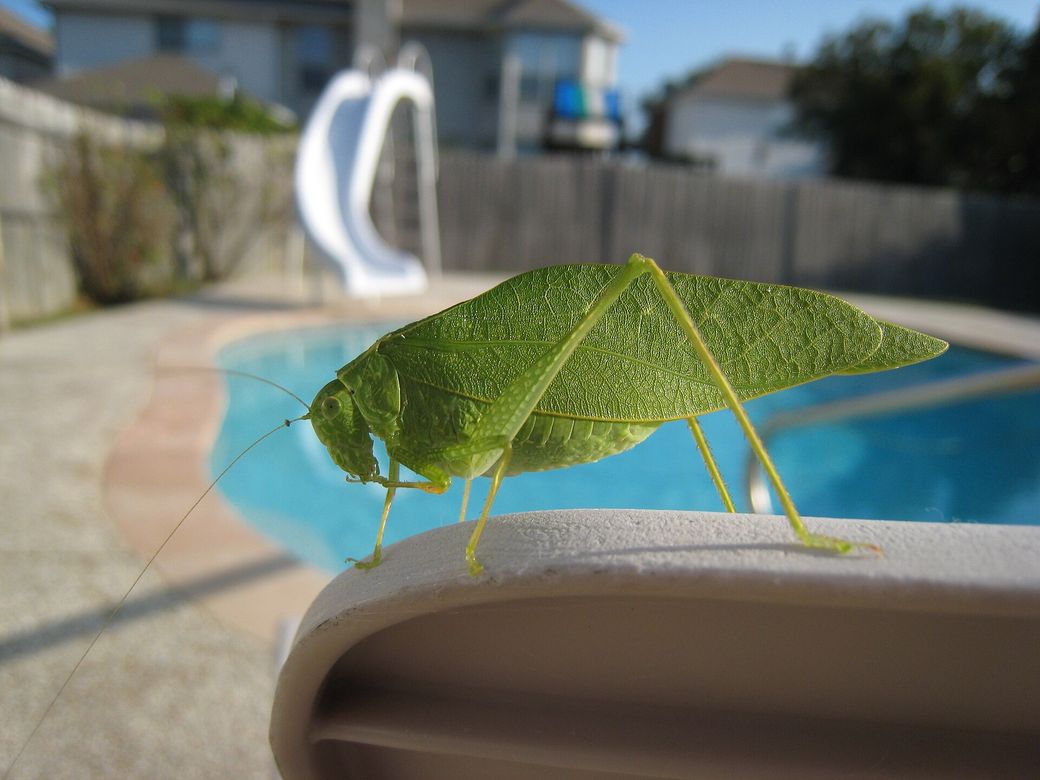
Insects worked this out first, and they did it by building actual instruments into their own bodies. A cricket or katydid is, structurally, a tiny fiddle: a hardened plectrum on the edge of one forewing scrapes against a ridged file on the other, and the resulting friction gets pushed through two membranes
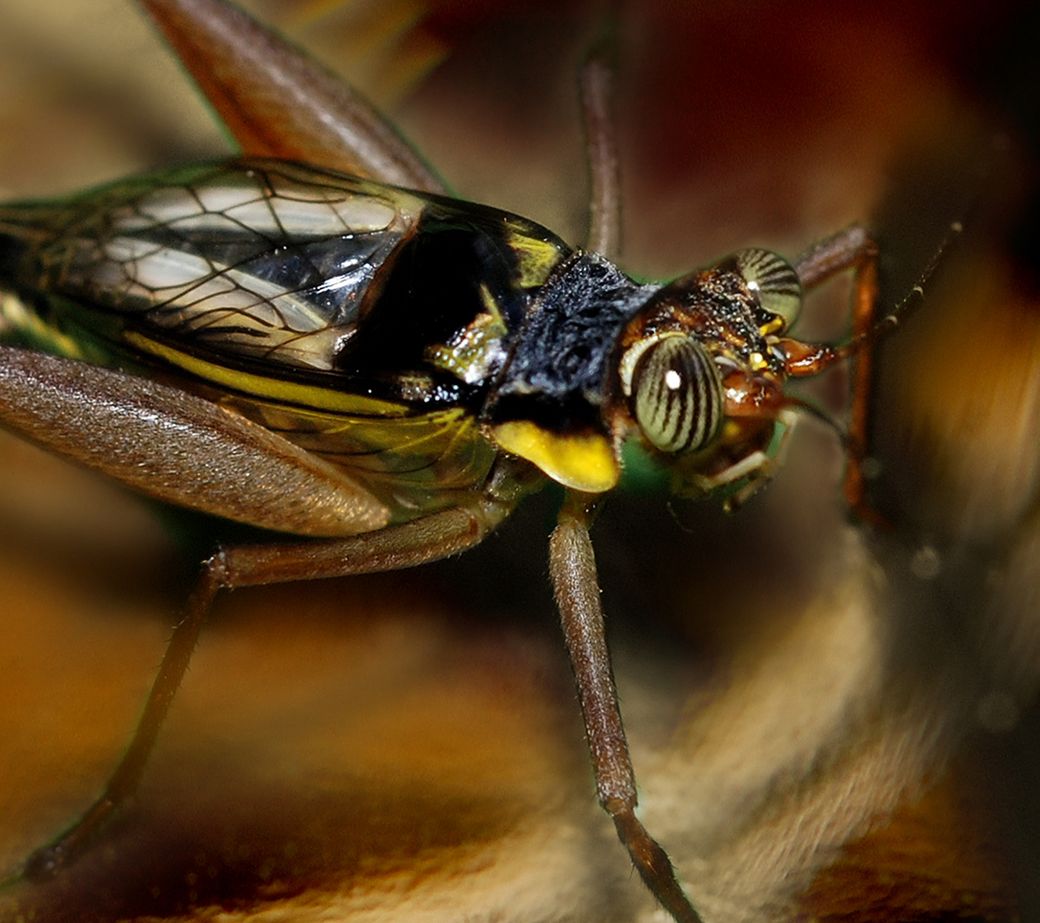
entomologists call the harp and the mirror — doing the same acoustic job a violin's spruce top or a cello's belly does, shaping raw scrape into a clean, amplified tone. In a crowded neotropical canopy, hundreds of species do this at once without collapsing into noise, because ground-dwelling crickets hold to a narrow 3–8 kHz band while bush-dwelling katydids climb into 8–17 kHz or higher, and where the bands do overlap, individuals stagger their calls by milliseconds so nobody drowns anybody else out. That self-organizing division of labor is documented in the field data indexed at EcoEvoRxiv and in the structural analyses published in Applied Sciences.
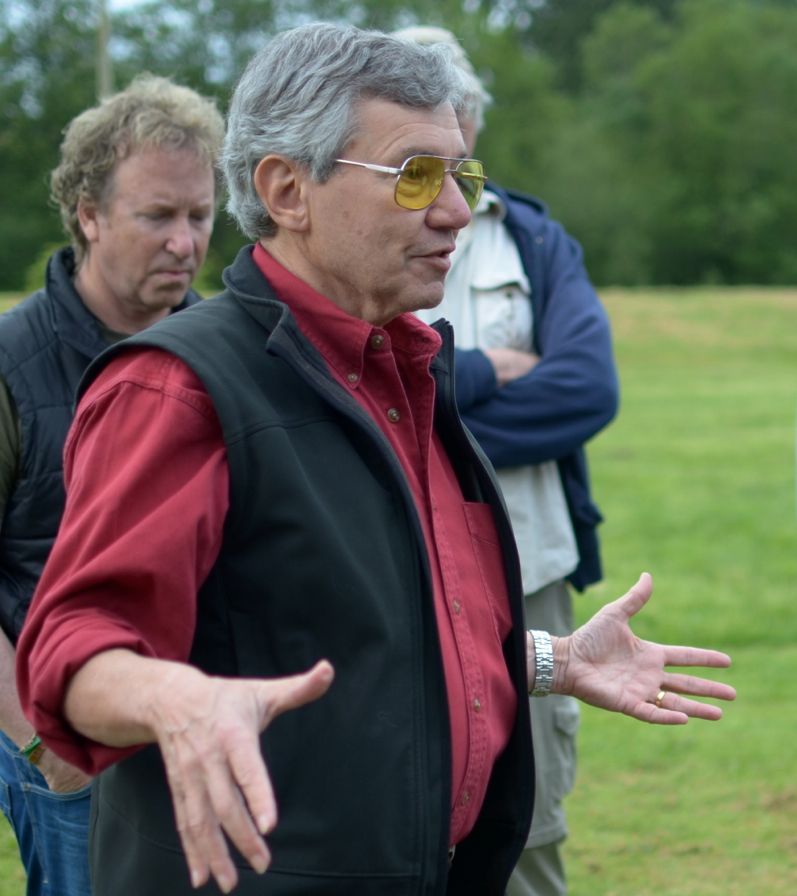
None of that architecture has anything to do with a 60–120 beats-per-minute tempo or the vocal-formant contours that shape human melody — which is exactly why animals mostly ignore what we call music. That gap sent David Teielooking for a different starting point. Teie spent years as a National Symphony Orchestra cellist, playing nineteen concerto performances with the NSO — twelve of them under Mstislav Rostropovich — before turning his training toward a stranger question: what would music sound like if you wrote it for a cat's ears instead of a human's? Working with primatologist Charles Snowdon, he threw out the human heartbeat as a tempo reference and replaced it with a kitten's suckling rhythm, then layered in 20–25 Hz modulations pulled straight from a cat's own purr, pitched an octave above the human voice. The resulting study found cats reliably preferred it — approaching the speaker, rubbing against it, engaging with it the way they'd engage with another cat.
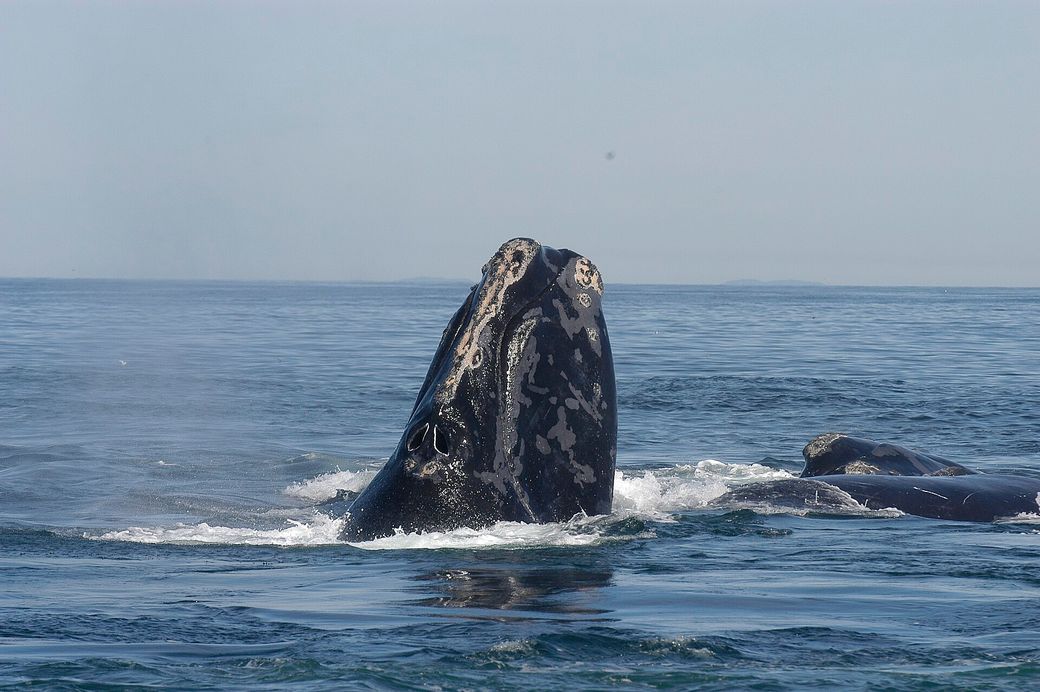
That result matters beyond the novelty of it. It means what makes music "work" isn't taste or culture — it's a biological match between the sound and the ear it's built for. That has real consequences once you take it outside the lab: a healthy wild soundscape runs on the same acoustic territoriality that keeps a cricket chorus organized, and a container ship doesn't respect any of it. Commercial shipping generates steady low-frequency noise in the same 30–300 Hz band North Atlantic right whales use for their contact calls; near an active shipping lane, an upcall that would otherwise travel for tens of kilometers becomes reliably audible only within about 320 meters. Human music and human shipping noise got built the same way — around what our own ears can hear — without either one asking what anyone else's ears needed.
Sources
The Nerves don't care how absorbed you feel
The Violin Channel
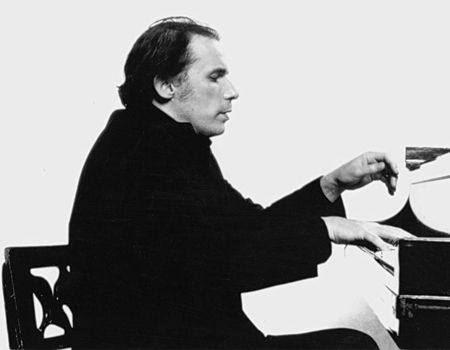
Glenn Gould played his last public concert on April 10, 1964, at the Wilshire Ebell Theatre in Los Angeles, and then never performed live again for the rest of his life. He was 31. Gould called the concert hall "gladiatorial" — the audience a hostile mass hungry for a visible mistake — and walked away from it entirely in favor of the recording studio, where a phrase could be retaken until the technique underneath it was actually solid.
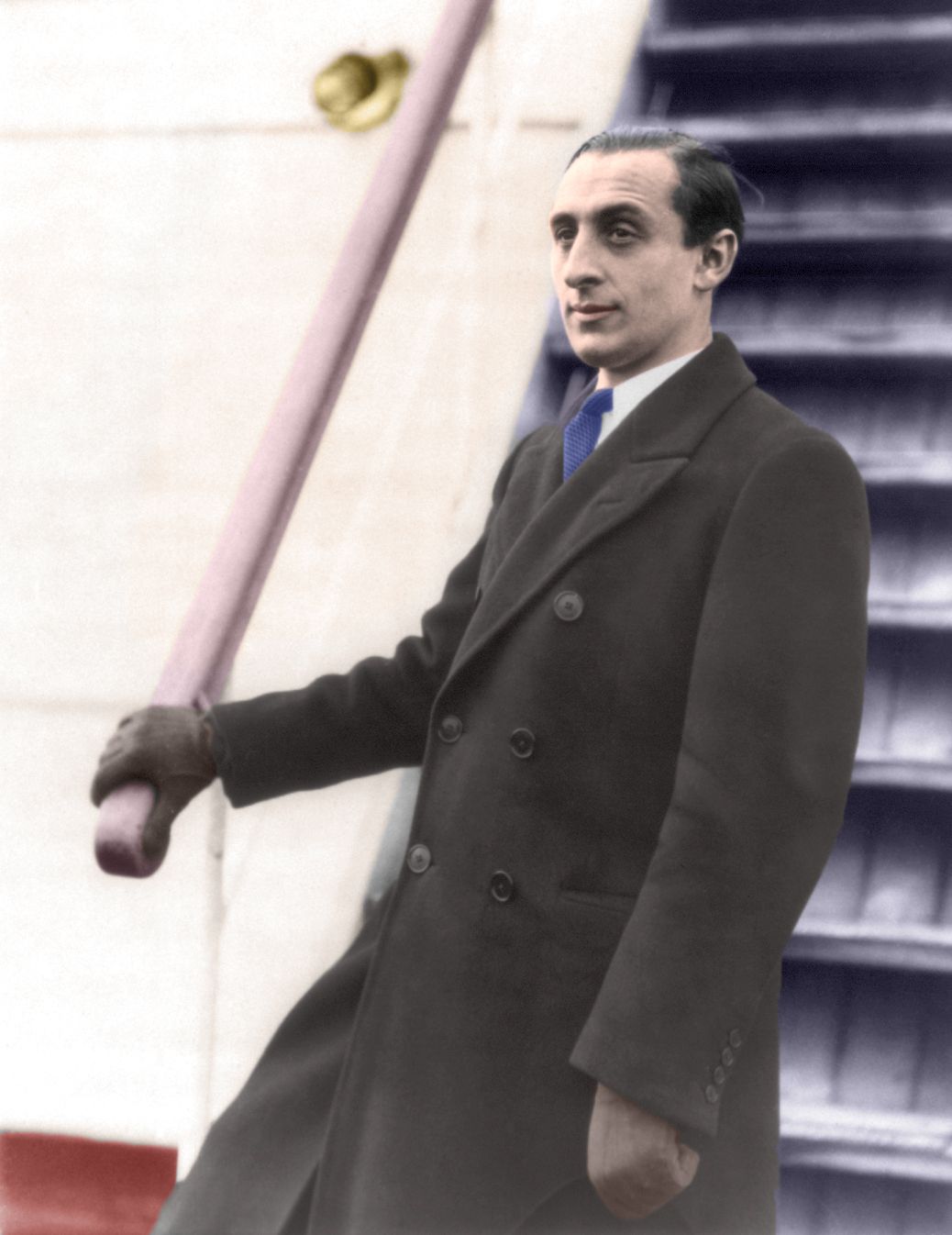
Vladimir Horowitz — a pianist critics including Neville Cardus called the greatest alive or dead — walked off the concert stage in 1953 and didn't come back for twelve years, making frequent visits to the recording studio during the gap, the same shelter Gould would choose a decade later. It was the longest of four separate retirements across his career. Horowitz underwent electroshock therapy for depression twice, in the early 1960s and again in 1973.
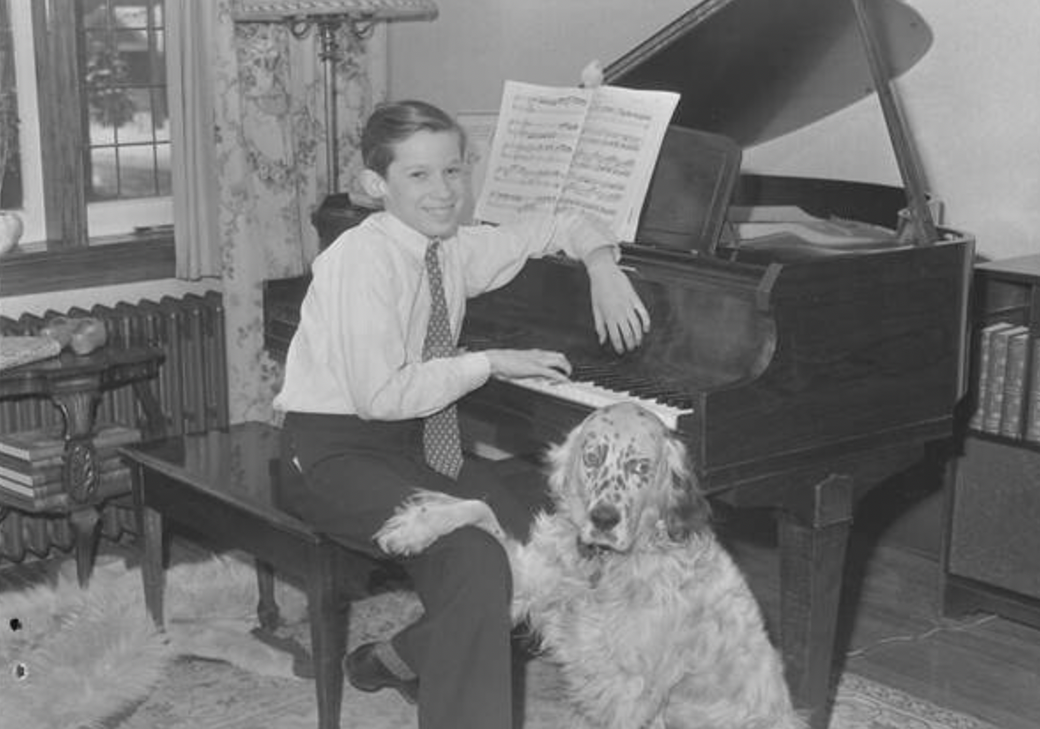
A 2015 survey of 447 American orchestral musicians by the International Conference of Symphony and Opera Musicians— the first such survey in nearly three decades — found that 98% of respondents had experienced performance anxiety at some point in their career, most of them for the first time between the ages of 11 and 15. A 1987 survey by the same organization found that 76% of orchestral musicians reported at least one medical problem severe enough to affect their playing, and stage fright was the single most common one on the list. By 2015, 70% of respondents had tried beta blockers — heart medication repurposed to blunt the physical symptoms of anxiety, up from 27% in 1987 — and 60.6% said the anxiety measurably hurt the quality of their playing.
That's the backdrop Qihuan Chen, Yannan Liu, Xiaojing Sun, and Li Pan were working against when they set out to test what actually protects a performer from that anxiety, surveying 986 conservatory-level music students — 521 instrumentalists, 465 vocalists — at four Chinese arts universities. They were comparing two different things a performer can feel on stage. Self-efficacy is the confidence built from repetition — a pianist who has run a passage a thousand times and knows, in the hands, that it will land even under pressure. Flow is something else: the sensation of losing track of time and self while playing, where the music seems to carry itself forward. The two don't always travel together — a performer can feel flow in a piece they're technically underprepared for, and a performer can play a flawless, fully controlled set with no flow at all, competent but joyless. Flow itself is a term borrowed from psychologist Mihaly Csikszentmihalyi (Beyond Boredom and Anxiety, 1975), who'd nearly called it "autotelic" before his research subjects kept independently reaching for the word "flow" themselves.
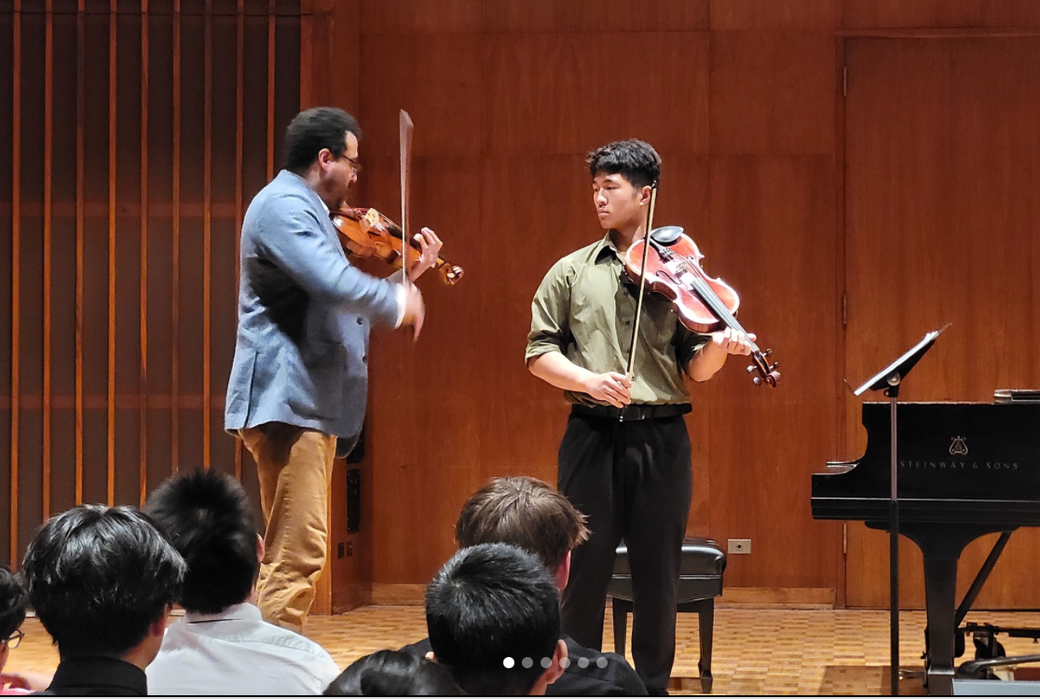
The researchers used a statistical method called Partial Least Squares Structural Equation Modeling, which tests how several psychological factors push and pull on each other simultaneously rather than one at a time. The first of their two central numbers is the path coefficient — a dial running from -1 to 1 that measures how strongly one factor moves another. Self-efficacy's dial for performance anxiety read -0.505; flow's read -0.075, about a seventh the strength. The second is effect size, which measures how much practical weight a factor carries once everything else in the model is accounted for — using the field's standard small/medium/large scale, the authors classified self-efficacy as a large predictor of performer well-being (f² = 0.385) and flow as a small one (f² = 0.104); anxiety itself registered as the strongest factor of all (f² = 0.585). In the authors' own words: flow "should be understood as a supplementary experiential correlate rather than a primary explanatory factor."
The pattern split by instrument family: flow's connection to well-being ran stronger for instrumentalists than for vocalists, while self-efficacy's protective link to lower anxiety ran stronger for vocalists than for instrumentalists — a domain-specific difference the authors say needs its own explanation. The study is also cross-sectional — one questionnaire, one point in time, filled out by students at four universities between December 2025 and March 2026 — so the authors are explicit that it shows self-efficacy and calm moving together, not that one causes the other. They re-ran the model with the variables reordered as a check on their own conclusions and reported that result alongside the first.
Dianna Kenny, the Sydney Conservatorium psychologist who built the field's standard diagnostic tool, the Kenny Music Performance Anxiety Inventory, has spent two decades arguing performance anxiety is a treatable, technique-adjacent problem rather than a character flaw. Gould made his choice once, at 31, and stuck to it — no public concerts for the rest of his life. Horowitz made his twice, off stage for years at a stretch, treated for depression, coming back to rows of fans queued overnight in the rain for the 1965 return. Both men spent the silence in the same room: at a piano, alone, running the same passage until the hands could do it without asking the nerves for permission.
Sources
Lorenzo Da Ponte and the Physical Topography of Immigrant Reinvention
NYT Music
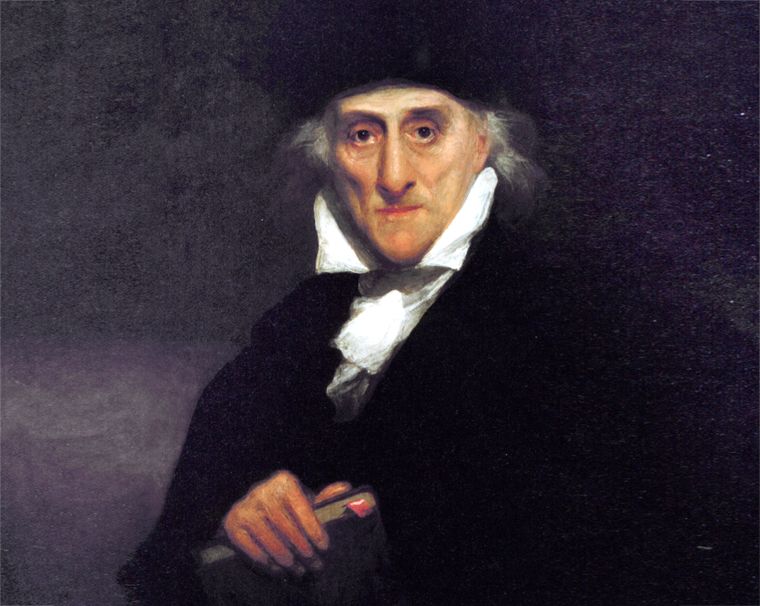
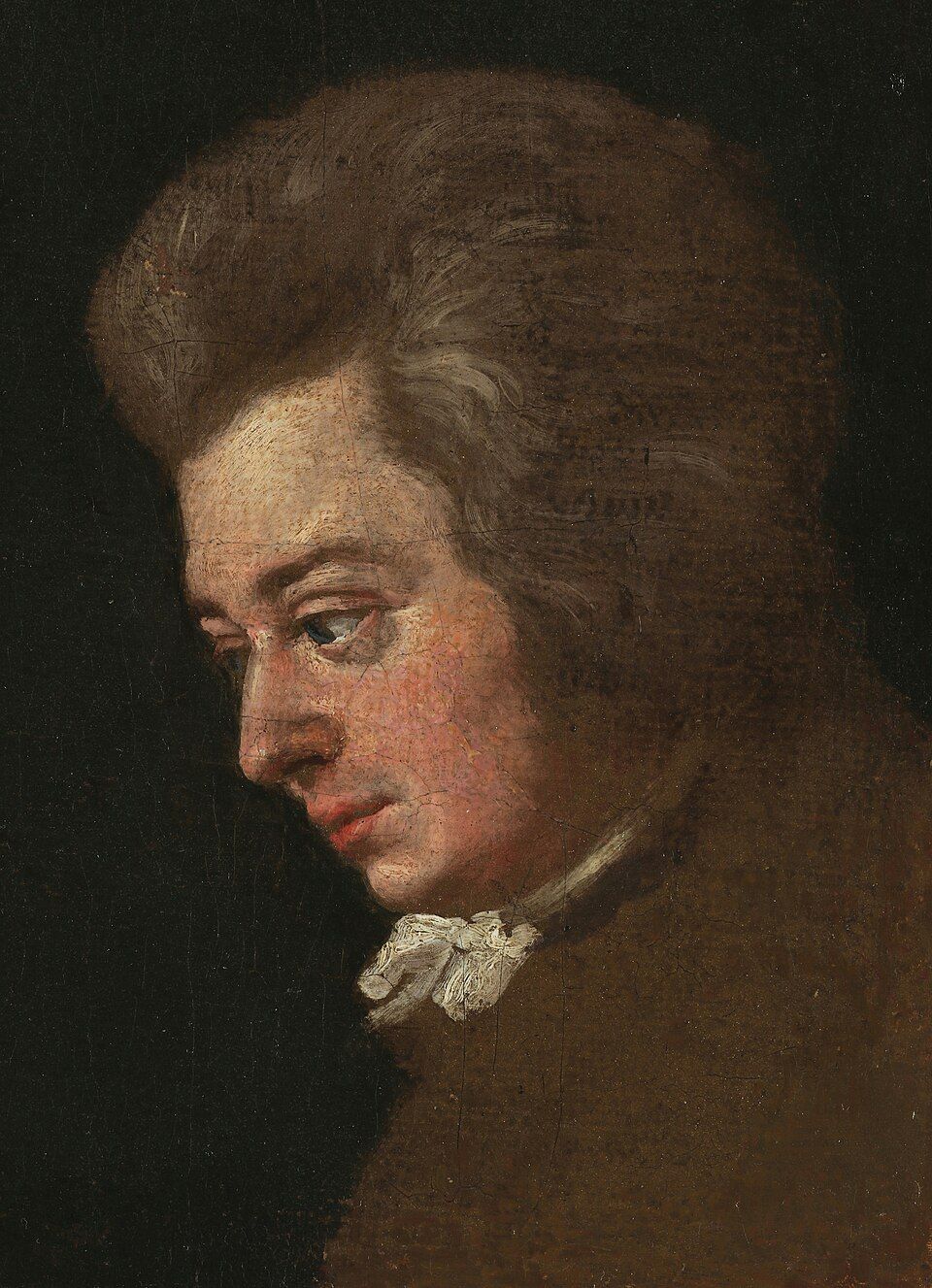
Vienna, 1785: Emperor Joseph II had just banned a play from the stage — Beaumarchais's The Marriage of Figaro, already outlawed for years in Paris, where Louis XVI is said to have remarked that the Bastille would have to fall before it was safe to perform. A year later, that same banned play was singing in the Emperor's own opera house, its politics quietly defused, its servant-outsmarts-master plot fully intact. The men who pulled that off were a Salzburg composer not yet thirty and a Venetian poet with a habit of landing exactly on the century's fault lines: Wolfgang Amadeus Mozart and Lorenzo Da Ponte. No composer-librettist partnership in opera's history is better known than theirs. Da Ponte is the half most people couldn't describe.
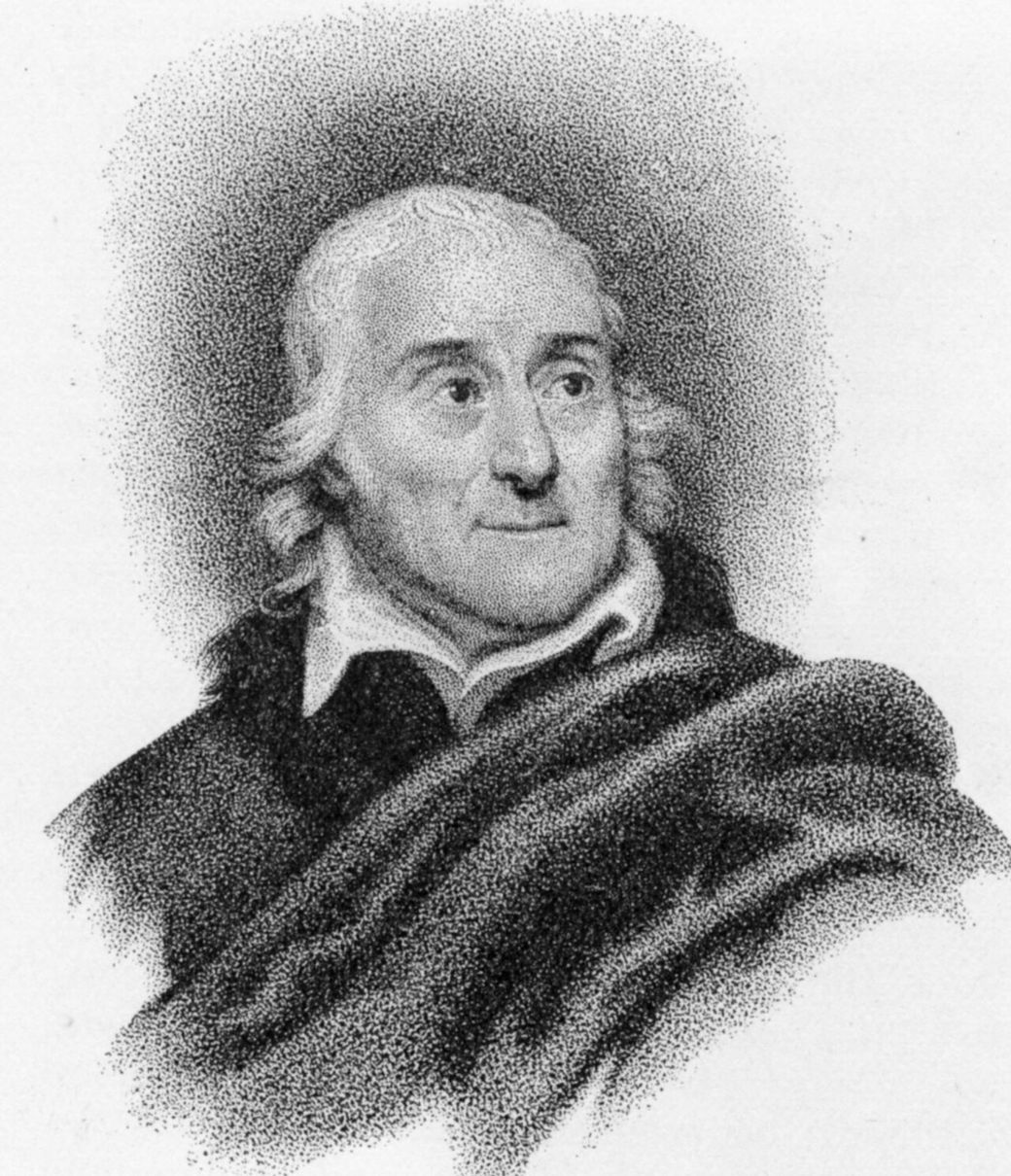
He was born Emanuele Conegliano in 1749, in the Jewish ghetto of Ceneda, a small town in the Republic of Venice. His mother, Rachele Pincherle, died when he was five, leaving his father, a leather tanner, to raise three sons alone. At fourteen, his father converted the family to Catholicism to remarry a Christian woman — a legal requirement, not a private choice — and the bishop who baptized them gave the boy his own name: Lorenzo Da Ponte. Baptism opened an education that would otherwise have been closed to him. He took it all the way to the priesthood, ordained in 1773, and spent the next six years demonstrating exactly how unsuited he was to it, ending in a 1779 banishment from Venice for adultery and public concubinage.
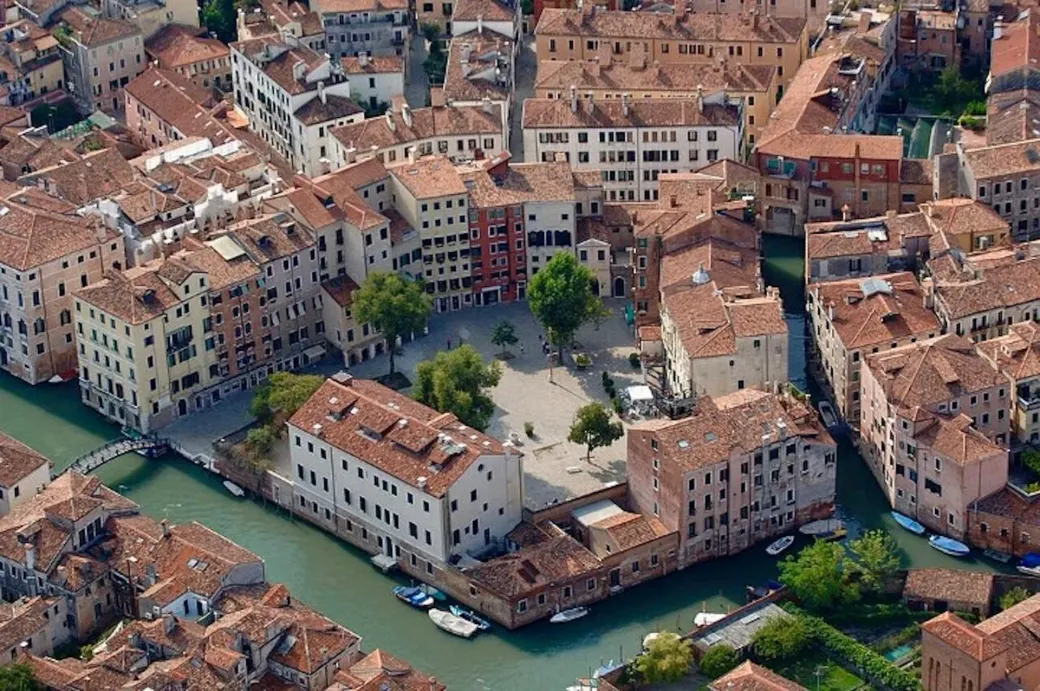
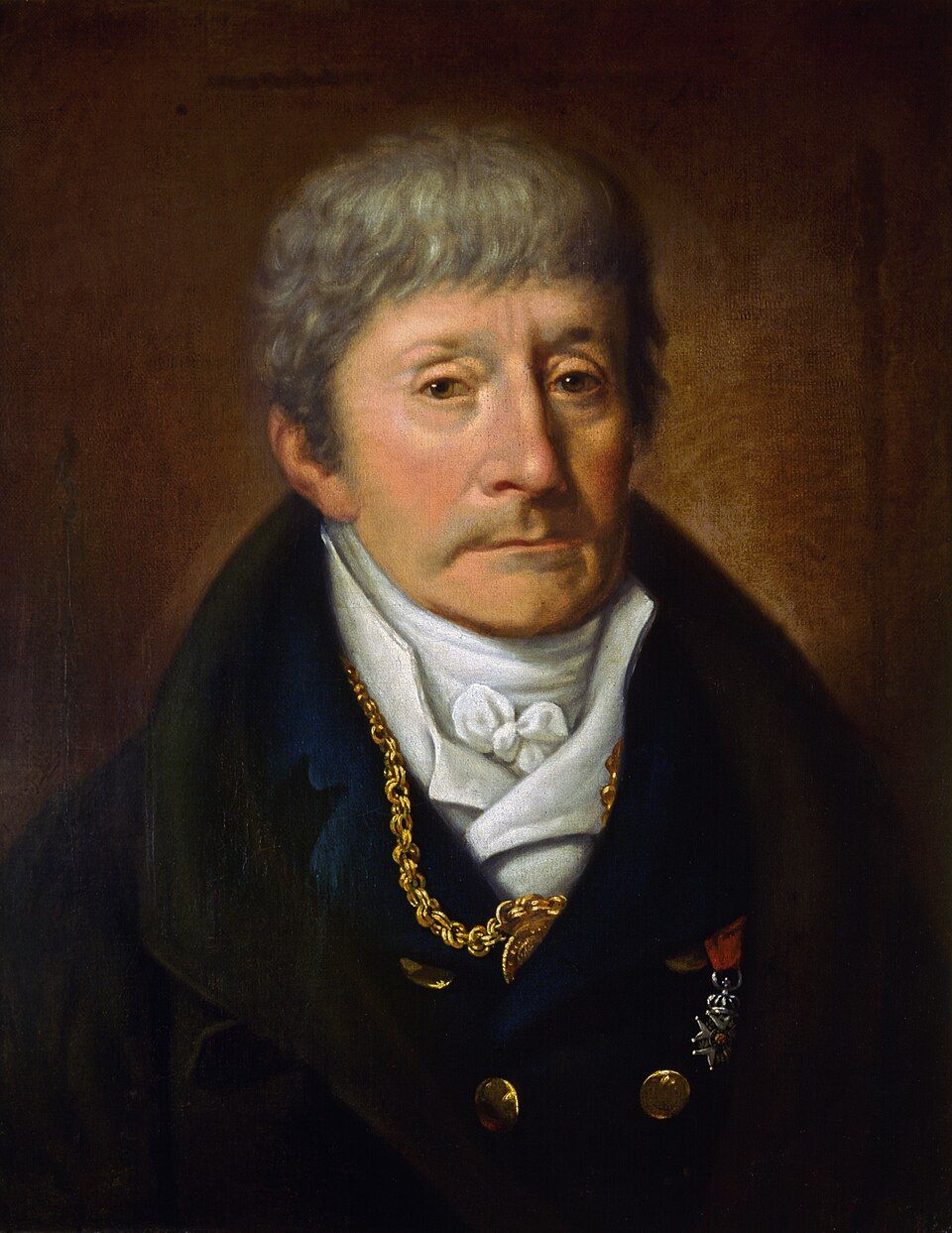
He arrived in Vienna in 1781, and two years later, backed by court composer Antonio Salieri, was appointed poet to the Italian theater at that same Habsburg court — a post that came just three months after Joseph II's Edict of Tolerance, the decree that let Vienna's Jews worship openly for the first time. Vienna had its own history with people in Da Ponte's exact position — a converso, someone forced or pressured into converting from Judaism — and that history had a specific, brutal marker: the Vienna Gesera, the 1421 expulsion and massacre of the city's Jewish population, still a live memory in how Vienna's Jewish community understood its own precariousness three and a half centuries later. Da Ponte spent the rest of his life making sure nobody looked too closely at his own version of it: his Memoirs never name his parents or say they were Jewish, and the one time he referenced his origins in his own writing, it was a verse recalling enemies who'd once shouted he should be sent "back in the ghetto, whence came his guilty race." He met Mozart in 1783, likely through Raimund Wetzlar, a fellow converso and one of Mozart's patrons — Mozart himself, in letters home, called Wetzlar "the rich converted Jew." Over the next seven years the two of them produced Le nozze di Figaro (1786), Don Giovanni(1787), and Così fan tutte (1790). None of Da Ponte's actual origins were confirmed in print until 1900, when a seminary archivist in Treviso finally located the church records.
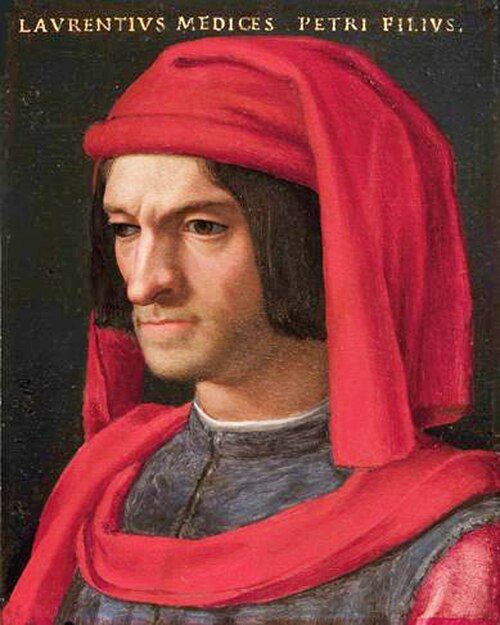
Opera was born as political theater. The Medici commissioned the first operas in Florence around 1600 — Jacopo Peri's Dafne and Euridice, the latter staged for Maria de' Medici's wedding to Henry IV of France — as displays of state power dressed up as myth. By the time the genre had hardened into what we now call opera seria, in the early eighteenth century, it had taken on a second job: teaching the proletariat how to behave. Pietro Metastasio, the poet whose librettos defined the form for the whole century, wrote kings and queens caught between love and duty, always resolving in favor of duty — virtue rewarded, passion disciplined, honor upheld. Metastasio held the exact post Da Ponte would later hold, imperial poet at the Habsburg court, until his death in 1782, the year before Da Ponte took the post himself.
Da Ponte wrote none of that. Opera buffa, his genre, put servants and tradesmen onstage instead of kings — Figaro is a valet outmaneuvering a count who assumes his rank should settle every argument — and Da Ponte, a converso from a ghetto, ordained into a church he never really belonged in, banished from his own city, had lived closer to that world than most poets writing for a Habsburg court. Da Ponte gave that story its words. What Mozart did with the music went further than the words asked for — he used the score to let audiences hear the interior life of people opera had rarely bothered to give one to. It starts at the very top of Figaro: a duettino built on a mismatch that's easy to miss and hard to unhear once it's pointed out. Figaro is pacing off the room where their marriage bed will go, counting his steps in plain, even quarter notes — "Cinque... dieci... venti..." (five, ten, twenty, etc.) — while Susanna, trying on the wedding bonnet she made herself, sings in faster eighth notes, already talking to him. He keeps counting. She keeps talking. For several bars neither one is actually listening to the other — he's doing arithmetic, she's admiring a hat, and the two lines run side by side without meeting. Only when she finally turns and says it straight to him — "Guarda un po', mio caro Figaro" ("Just look, my dear Figaro") — does her line slow to match his; when he finally looks up and answers, his line speeds up to match hers, and stays there. Da Ponte wrote the dialogue. Mozart wrote the part where they aren't listening to each other yet. He kept doing this at larger scale: in Don Giovanni's Act 1 finale, three separate onstage orchestras play a minuet, a folia, and an allemande at once, in three different meters, one dance per social class filling the ballroom, audible together rather than in sequence; by Figaro's Act 2 finale, what starts as a duet between two characters keeps absorbing new arrivals until seven people are singing at once, the key changing with nearly every entrance, roughly twenty minutes without a break in sung dialogue. None of it — who's counting, who's interrupting, who's arriving, who's finally heard — exists in the libretto. It's what the music does to the words once they leave the page.
Mozart died in December 1791. Da Ponte's own position in Vienna didn't survive him by much — he fled to Trieste, then Paris, then London, where he spent over a decade as a librettist and theater manager before the venture collapsed under him financially. In 1805 he emigrated to New York, where he tried and failed at running a grocery business. In 1807, at Riley's bookstore, he met Clement Clarke Moore — later the presumed author of "A Visit from St. Nicholas" — who became a lasting friend and patron.
By the early 1810s Da Ponte had moved his family to Sunbury, Pennsylvania, where the Susquehanna River reminded him enough of the Lombardy countryside to write about it. By 1814 he'd built a three-story brick house on Third and Market Street, store below and a still running behind it. In 1813, Congress had imposed a federal excise tax on distilled spirits to help fund the War of 1812, assessed by still capacity rather than actual output — a burden that fell hardest on small operators like Da Ponte, whose distillery couldn't absorb it the way a larger one could. By 1816 he was forced to sell the property at a loss, for $1,203.38. Congress repealed the tax in 1817 — a year too late for him. He left Sunbury for good on August 14, 1818, writing that he was leaving behind "a new Egypt."
Back in New York, he sold and donated much of his personal library — a number of those books and papers eventually made their way into what are now the New York Public Library's collections. In 1825 he was appointed Columbia College's first professor of Italian literature, unsalaried, a position he held into his final years. In May 1826, he helped organize the first full American performance of Don Giovanni, brought to New York by Manuel García's touring opera company — including the Champagne Aria ("Fin ch'han dal vino"), the piece that had, decades earlier, been Mozart's own invention layered onto Da Ponte's words.
In 1833, at seventy-three, he helped finance New York's first dedicated opera house, at Church and Leonard Streets. It failed financially within two years, but it's counted today as part of the institutional lineage that eventually led to the Metropolitan Opera. Da Ponte died in New York on August 17, 1838. His funeral drew a large crowd; his actual grave, believed to be at what is now Calvary Cemetery, was lost to time and record-keeping not long after.
He never explained any of what Mozart had done with his words — not the counting, not the three orchestras, not the septet. But the closing lines he gave Così fan tutte read now like they already knew: "What always makes others weep is for them a cause for laughter."
Primary Source: American Heritage Magazine — "The Man Who Brought Opera to America" — https://www.americanheritage.com/man-who-brought-opera-america
Sources:
American Heritage Magazine, "The Man Who Brought Opera to America" — https://www.americanheritage.com/man-who-brought-opera-america
Robert Marshall, "Mozart's Jewish Librettist," Commentary Magazine — https://www.commentary.org/articles/robert-marshall/lorenzo-da-ponte-mozarts-jewish-librettist/
Paul Hond, "How Mozart's Librettist Became the Father of Italian Studies at Columbia," Columbia Magazine — https://magazine.columbia.edu/article/how-mozarts-librettist-became-father-italian-studies-columbia
Wikipedia, "Lorenzo Da Ponte" — https://en.wikipedia.org/wiki/Lorenzo_Da_Ponte
Wikipedia, "Jacopo Peri" — https://en.wikipedia.org/wiki/Jacopo_Peri
Wikipedia, "Euridice (Peri)" — https://en.wikipedia.org/wiki/Euridice_(Peri)
Wikipedia, "Marie de' Medici" — https://en.wikipedia.org/wiki/Marie_de%27_Medici
Wikipedia, "Pietro Metastasio" — https://en.wikipedia.org/wiki/Pietro_Metastasio
Historical Marker Database, Lorenzo Da Ponte marker (Sunbury) — https://www.hmdb.org/m.asp?m=261521
The Chronicles of a Modern-Day Mozartian, "Sunbury, Pennsylvania Looks to Celebrate Former Resident, Lorenzo Da Ponte" — http://www.moderndaymozartian.com/2021/01/sunbury-pennsylvania-looks-to-celebrate.html
EveryCRSReport.com, "Federal Excise Taxes on Alcoholic Beverages: A Summary of Present Law and a Brief History" — https://www.everycrsreport.com/reports/RL30238.html
Joan Acocella, "Nights at the Opera," The New Yorker — https://www.newyorker.com/magazine/2007/01/08/nights-at-the-opera
Da Ponte, Lorenzo. Memoirs (English translation, New York Review of Books, 2000)
Hodges, Sheila. Lorenzo Da Ponte: The Life and Times of Mozart's Librettist
opera-arias.com, "Cinque..dieci..venti" — https://www.opera-arias.com/mozart/le-nozze-di-figaro/cinque..dieci..venti/
Wikipedia, "Judenplatz Holocaust Memorial" — https://en.wikipedia.org/wiki/Judenplatz_Holocaust_Memorial
NYPL Digital Collections, "Italian Opera House, later the National Theatre, Leonard Street, 1833" — https://digitalcollections.nypl.org/items/510d47e0-d90f-a3d9-e040-e00a18064a99
Glyndebourne, "Don Giovanni – The music" — https://www.glyndebourne.com/opera-archive/explore-our-operas/explore-don-giovanni/don-giovanni-the-music/
Timothy Judd, "The Marriage of Figaro's Act II Finale," The Listeners' Club — https://thelistenersclub.com/2019/04/22/the-marriage-of-figaros-act-ii-finale-mozarts-dramatic-tour-de-force/
Rosen, Charles. The Classical Style
Online Library of Liberty, "The Marriage of Figaro and the Fall of the Aristocracy" — https://oll.libertyfund.org/publications/reading-room/McGath-Figaro-Aristocracy
Metropolitan Opera, "The Opera's Plot and Creation" educator guide — https://www.metopera.org/discover/education/educator-guides/le-nozze-di-figaro/the-operas-plot-and-creation/
Encyclopedia.com, "Wetzlar von Plankenstern" — https://www.encyclopedia.com/religion/encyclopedias-almanacs-transcripts-and-maps/wetzlar-von-plankenstern
Sources
https://www.americanheritage.com/man-who-brought-opera-america
https://www.commentary.org/articles/robert-marshall/lorenzo-da-ponte-mozarts-jewish-librettist/
https://magazine.columbia.edu/article/how-mozarts-librettist-became-father-italian-studies-columbia
https://en.wikipedia.org/wiki/Lorenzo_Da_Ponte
https://en.wikipedia.org/wiki/Euridice_(Peri)
https://www.hmdb.org/m.asp?m=261521
http://www.moderndaymozartian.com/2021/01/sunbury-pennsylvania-looks-to-celebrate.html
https://www.everycrsreport.com/reports/RL30238.html
https://www.newyorker.com/magazine/2007/01/08/nights-at-the-opera
https://www.opera-arias.com/mozart/le-nozze-di-figaro/cinque..dieci..venti/
https://en.wikipedia.org/wiki/Judenplatz_Holocaust_Memorial
https://digitalcollections.nypl.org/items/510d47e0-d90f-a3d9-e040-e00a18064a99
On This Day
On This Day: Jacqueline du Pré
Stradisphere editorial database
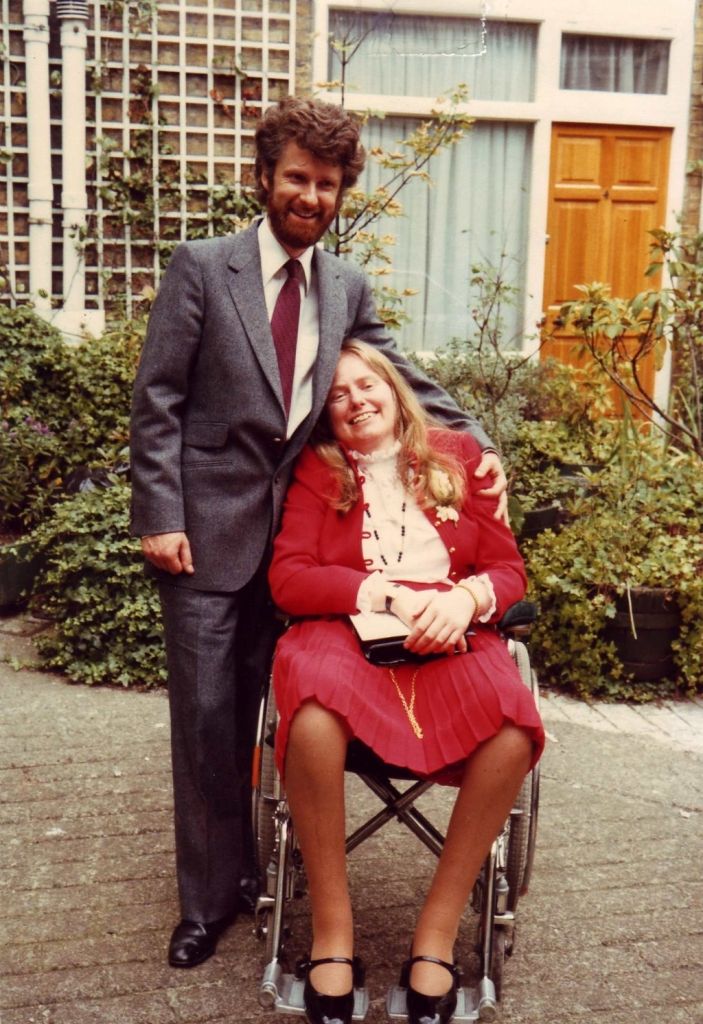
Jacqueline du Pré (1945–1987) remains one of the twentieth century's most defining instrumental voices — a twelve-year career, cut short by multiple sclerosis, that still anchors how the Elgar Cello Concerto gets played today. She started on a full-size cello at four, given to her by her pianist mother. By nine she'd been heard by conductor-cellist John Barbirolli and violist Lionel Tertis, who got her a Suggia Gift scholarship to study privately with William Pleeth — her teacher for seven years, and the man she called her "cello daddy." Pleeth's own playing was famously uninhibited in the body; du Pré inherited that physical looseness and made it central to her sound.
Her official debut came in March 1961, at sixteen, with a recital at Wigmore Hall — Handel, Brahms, Debussy, Bach. She played that debut on a 1673 Stradivari. Three years later, in 1964, her godmother Ismena Holland gave her a different instrument entirely: the 1712 "Davidov" Stradivari, previously owned by the Russian cellist Karl Davydov, court cellist to Tsar Alexander II. William Pleeth called it "one of the really great instruments of the world" the day she got it. It's the Davidov she's playing on the recording that made her name: the August 1965 studio account of Elgar's Cello Concerto in E minor with Sir John Barbirolli and the London Symphony Orchestra, still treated as the reference recording six decades later.
What made her playing distinctive wasn't abstraction — critics and colleagues describe something specific and repeatable. Writing in The Strad, Julian Haylock notes that close study of her filmed performances shows "continual microadjustments of bow angle, weight and pressure" shaping the music's expressive profile in real time — not raw force, but constant small correction. Her signature device was portamento, the audible glide between two notes that most players smooth over; du Pré left it exposed, and it became one of the most recognizable fingerprints in the recorded cello repertoire. Barenboim, later, put it more simply: "She did not know what it was to have technical difficulties or what it meant to play safe."
Her closest circle in these years — Daniel Barenboim, Itzhak Perlman, Pinchas Zukerman — became one of the defining chamber-music partnerships of the era. In June 1967, du Pré and Barenboim flew to Israel days before the Six-Day War broke out, intending a solidarity visit rather than a wedding. They married in Jerusalem anyway, at speed; du Pré converted to Judaism the night before the ceremony, a decision she later described as feeling entirely natural, not something she'd agonized over.
Around 1970 she began losing sensation in her hands — moments where she couldn't feel the strings under her left hand, or the weight of the bow in her right. Doctors initially read it as stress and prescribed rest. Multiple sclerosis was confirmed in October 1973. She retired from performing at 28, having played professionally for twelve years, and spent her remaining time teaching when her health allowed it. She died in London on October 19, 1987, at 42.
The Davidov Stradivari outlived her by decades in active use: the Vuitton Foundation bought it in 1988 for a little over £1 million and has kept it on indefinite loan to Yo-Yo Ma ever since — the instrument that made du Pré's name still being played in public, on the far side of the career that made it famous.
Sources:
Julian Haylock, "Great Cellists: Jacqueline du Pré," The Strad — https://www.thestrad.com/playing-hub/great-cellists-jacqueline-du-pre/13710.article
"The instruments and bows of Jacqueline du Pré," The Strad — https://www.thestrad.com/lutherie/the-instruments-and-bows-of-jacqueline-du-pre/13803.article
Wikipedia, "Davidov Stradivarius" — https://en.wikipedia.org/wiki/Davidov_Stradivarius
Haaretz, "1967: Music Stars on Solidarity Visit to Israel Spontaneously Marry" — https://www.haaretz.com/jewish/2015-06-15/ty-article/.premium/1967-stars-on-visit-to-israel-suddenly-wed/0000017f-ded4-d3ff-a7ff-fff400700000
Jewish Women's Archive, "Jacqueline du Pré" — https://jwa.org/encyclopedia/article/du-pre-jacqueline
Hektoen International, "The interrupted concerto: Jacqueline du Pré and MS" — https://hekint.org/2017/01/30/the-interrupted-concerto-jacqueline-du-pre-and-ms/
Wikipedia, "Jacqueline du Pré" — https://en.wikipedia.org/wiki/Jacqueline_du_Pr%C3%A9
The Violin Channel, "On This Day: Cellist Jacqueline du Pré Died" — https://theviolinchannel.com/cellist-jacqueline-du-pre-died-on-this-day-1987/
Tarisio Cozio Archive, "Jacqueline du Pré's cellos" — https://tarisio.com/cozio-archive/cozio-carteggio/jacqueline-du-pre/
Sources
https://www.thestrad.com/playing-hub/great-cellists-jacqueline-du-pre/13710.article
https://www.thestrad.com/lutherie/the-instruments-and-bows-of-jacqueline-du-pre/13803.article
https://en.wikipedia.org/wiki/Davidov_Stradivarius
https://jwa.org/encyclopedia/article/du-pre-jacqueline
https://hekint.org/2017/01/30/the-interrupted-concerto-jacqueline-du-pre-and-ms/
https://theviolinchannel.com/cellist-jacqueline-du-pre-died-on-this-day-1987/
https://tarisio.com/cozio-archive/cozio-carteggio/jacqueline-du-pre/
Also Worth Noting
Stefan Zweig's Salzburg Sanctuary Re-Enters the Private Market — NYT Music
Ukrainian Freedom Orchestra Navigates Acoustic Power Under St Paul's Dome — The Guardian Classical Music
Wagner's Rienzi Enters the Bayreuth Festspielhaus Canon — Parterre Box
Acoustic Realities Versus Screen Aesthetics in Contemporary Operatic Criticism — Slippedisc
Mary Kouyoumdjian’s Verbatim Realism in Paper Pianos — I Care If You Listen
Giuseppina Strepponi’s Professional Agency and Early Bel Canto Politics — Interlude
Laurent Pelly’s Ariadne auf Naxos at Glyndebourne — OperaWire
The Wire
Gustavo Dudamel to Lead LA Philharmonic in Livestreamed Farewell Concert — OperaWire
Soprano Jill Gomez Dies at 83 — Classical Music Daily
Yannick Nézet-Séguin Pairs Beethoven’s Ninth with William Grant Still at SPAC — Bachtrack
Philippe Sly Prepares for Messiaen's Saint François d'Assise in Salzburg — NYT Music
Double Bassist Joaquín 'Ximo' Clemente Riera Dies at 44 — The Strad
Aurel Dawidiuk Appointed General Music Director of Bochumer Symphoniker — Neue Musikzeitung (NMZ)
Urlicht AudioVisual Releases Georg Friedrich Haas Violin Concerto No. 2 — MusicWeb International
Dutch Bass Harry van der Kamp Dies at 79 — The Violin Channel
Salieri’s Tarare Returns to Opéra Royal de Versailles — Planet Hugill
UK Survey Reports One in Three Adults Regret Quitting Music Studies — The Violin Channel
Death of Classical Presents Previews of Lincoln in the Bardo in New York Cemeteries — OperaWire
Pierre Bleuse and Ensemble Intercontemporain Release Unsuk Chin Survey — ResMusica
Lorna Tucker Directs New Feature Documentary Profiling Yuja Wang — The Violin Channel
La Jolla SummerFest Features Resurrected Manuscripts and Reconstructions — Classical Voice America
Belgium's Festival de Stavelot Cancels Finale Due to Wildfires — The Violin Channel
Kansas City Symphony Appoints Landon Honolka as Principal Double Bass — The Strad
Daniel Barenboim and Yo-Yo Ma Conclude European Tour at Lucerne Festival — Slippedisc
Royal Ballet and Opera Introduces Late-Night 'After Hours' Programming — OperaWire