The Nerves don't care how absorbed you feel
The Violin Channel
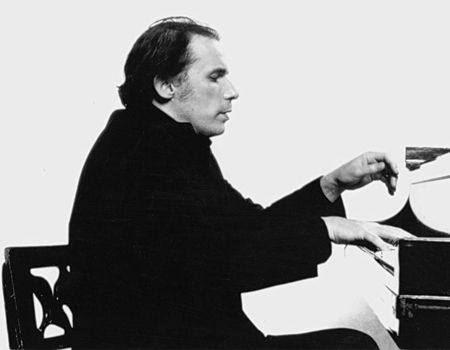
Glenn Gould played his last public concert on April 10, 1964, at the Wilshire Ebell Theatre in Los Angeles, and then never performed live again for the rest of his life. He was 31. Gould called the concert hall "gladiatorial" — the audience a hostile mass hungry for a visible mistake — and walked away from it entirely in favor of the recording studio, where a phrase could be retaken until the technique underneath it was actually solid.
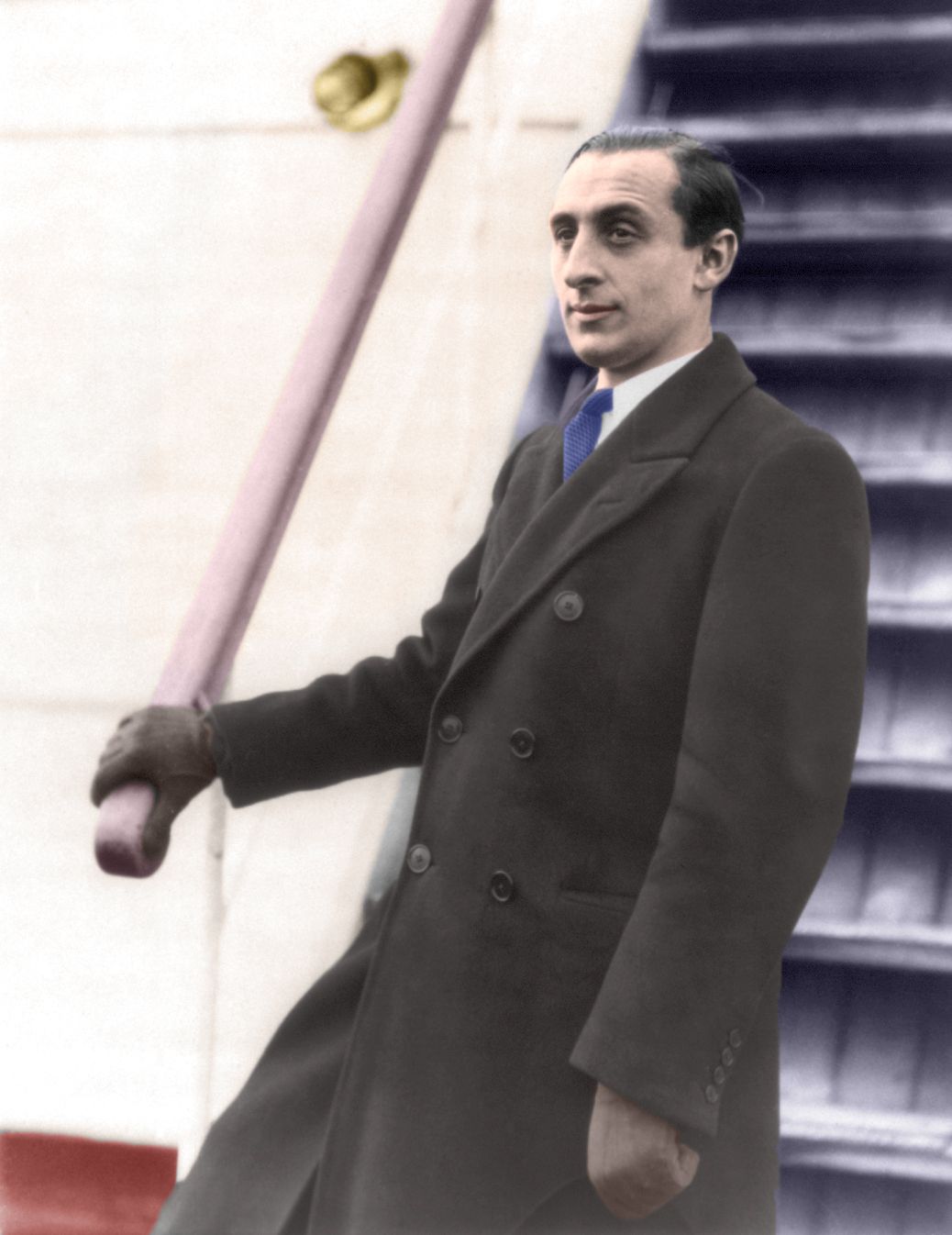
Vladimir Horowitz — a pianist critics including Neville Cardus called the greatest alive or dead — walked off the concert stage in 1953 and didn't come back for twelve years, making frequent visits to the recording studio during the gap, the same shelter Gould would choose a decade later. It was the longest of four separate retirements across his career. Horowitz underwent electroshock therapy for depression twice, in the early 1960s and again in 1973.
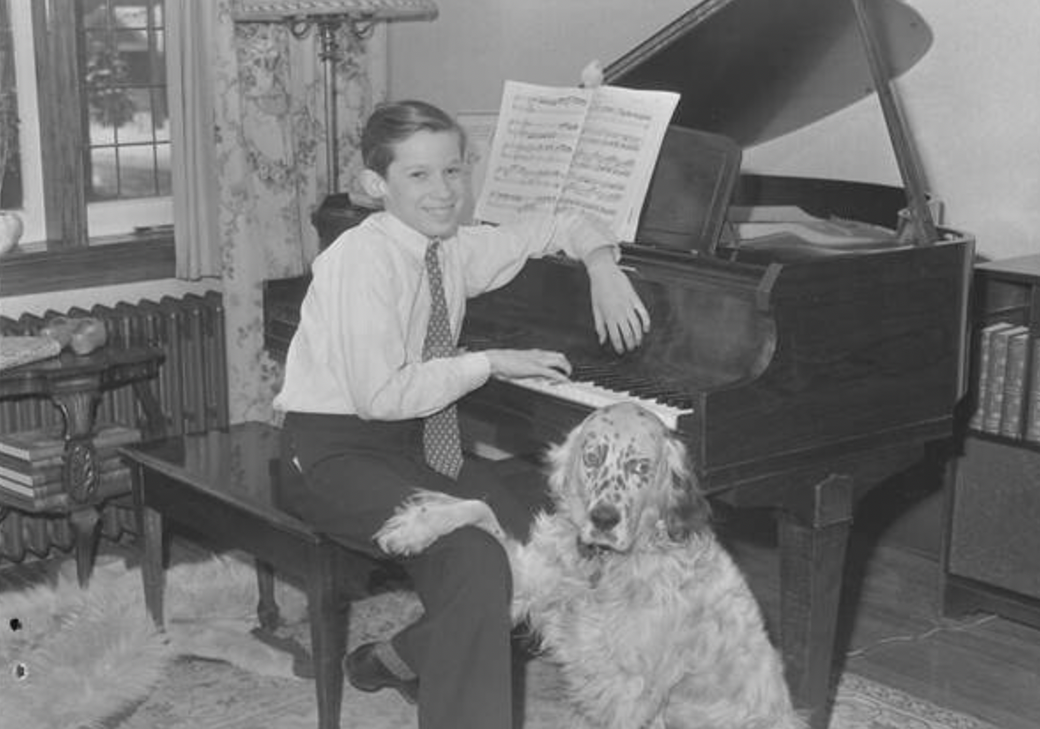
A 2015 survey of 447 American orchestral musicians by the International Conference of Symphony and Opera Musicians— the first such survey in nearly three decades — found that 98% of respondents had experienced performance anxiety at some point in their career, most of them for the first time between the ages of 11 and 15. A 1987 survey by the same organization found that 76% of orchestral musicians reported at least one medical problem severe enough to affect their playing, and stage fright was the single most common one on the list. By 2015, 70% of respondents had tried beta blockers — heart medication repurposed to blunt the physical symptoms of anxiety, up from 27% in 1987 — and 60.6% said the anxiety measurably hurt the quality of their playing.
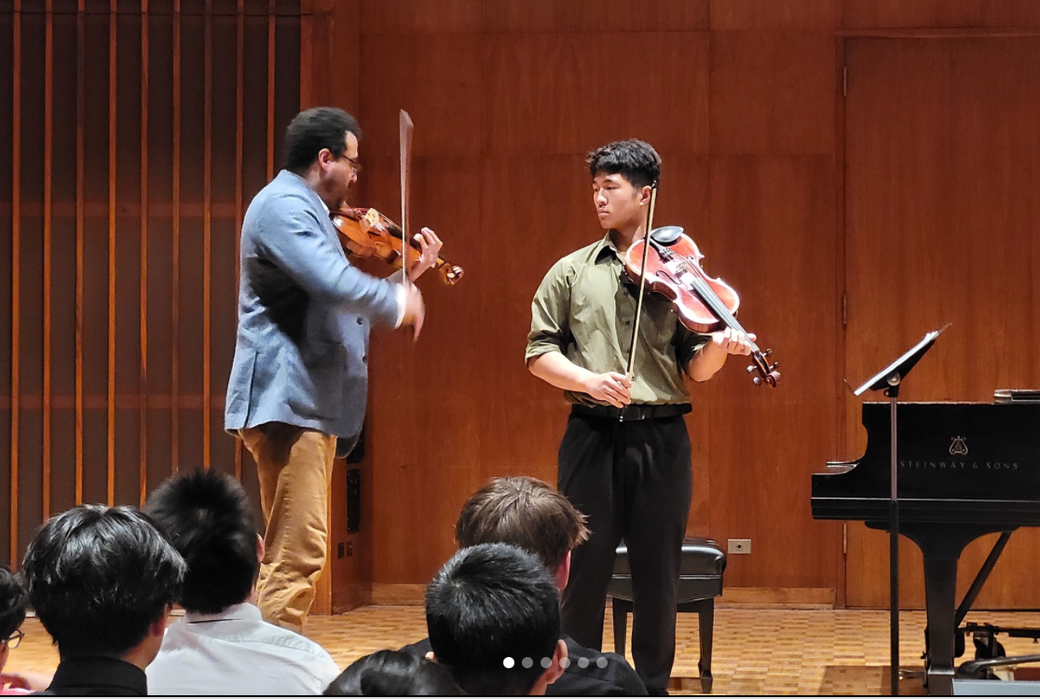
That's the backdrop Qihuan Chen, Yannan Liu, Xiaojing Sun, and Li Pan were working against when they set out to test what actually protects a performer from that anxiety, surveying 986 conservatory-level music students — 521 instrumentalists, 465 vocalists — at four Chinese arts universities. They were comparing two different things a performer can feel on stage. Self-efficacy is the confidence built from repetition — a pianist who has run a passage a thousand times and knows, in the hands, that it will land even under pressure. Flow is something else: the sensation of losing track of time and self while playing, where the music seems to carry itself forward. The two don't always travel together — a performer can feel flow in a piece they're technically underprepared for, and a performer can play a flawless, fully controlled set with no flow at all, competent but joyless. Flow itself is a term borrowed from psychologist Mihaly Csikszentmihalyi (Beyond Boredom and Anxiety, 1975), who'd nearly called it "autotelic" before his research subjects kept independently reaching for the word "flow" themselves.
The researchers used a statistical method called Partial Least Squares Structural Equation Modeling, which tests how several psychological factors push and pull on each other simultaneously rather than one at a time. The first of their two central numbers is the path coefficient — a dial running from -1 to 1 that measures how strongly one factor moves another. Self-efficacy's dial for performance anxiety read -0.505; flow's read -0.075, about a seventh the strength. The second is effect size, which measures how much practical weight a factor carries once everything else in the model is accounted for — using the field's standard small/medium/large scale, the authors classified self-efficacy as a large predictor of performer well-being (f² = 0.385) and flow as a small one (f² = 0.104); anxiety itself registered as the strongest factor of all (f² = 0.585). In the authors' own words: flow "should be understood as a supplementary experiential correlate rather than a primary explanatory factor."
The pattern split by instrument family: flow's connection to well-being ran stronger for instrumentalists than for vocalists, while self-efficacy's protective link to lower anxiety ran stronger for vocalists than for instrumentalists — a domain-specific difference the authors say needs its own explanation. The study is also cross-sectional — one questionnaire, one point in time, filled out by students at four universities between December 2025 and March 2026 — so the authors are explicit that it shows self-efficacy and calm moving together, not that one causes the other. They re-ran the model with the variables reordered as a check on their own conclusions and reported that result alongside the first.
Dianna Kenny, the Sydney Conservatorium psychologist who built the field's standard diagnostic tool, the Kenny Music Performance Anxiety Inventory, has spent two decades arguing performance anxiety is a treatable, technique-adjacent problem rather than a character flaw. Gould made his choice once, at 31, and stuck to it — no public concerts for the rest of his life. Horowitz made his twice, off stage for years at a stretch, treated for depression, coming back to rows of fans queued overnight in the rain for the 1965 return. Both men spent the silence in the same room: at a piano, alone, running the same passage until the hands could do it without asking the nerves for permission.
Sources