New York Philharmonic Imports the El Sistema Playbook for Youth Choir
Slippedisc
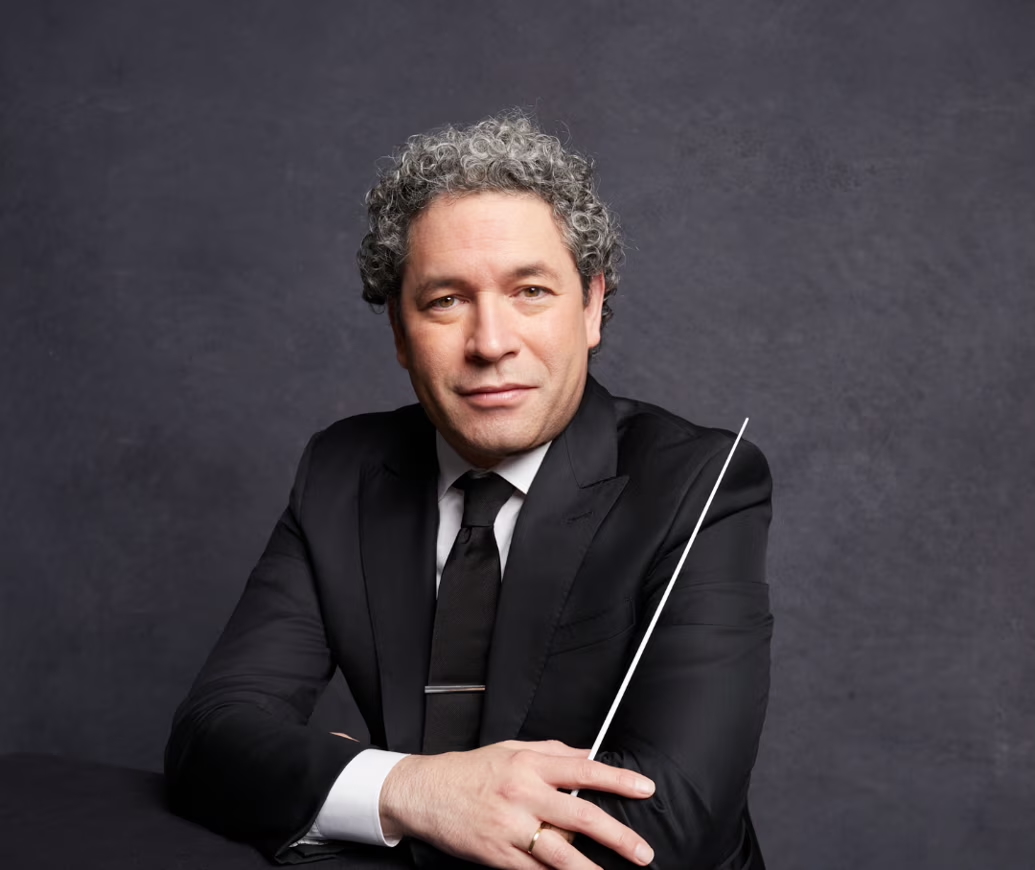
The New York Philharmonic has launched a youth choir — thirty students from seventeen schools across the Bronx, Brooklyn, Manhattan, and Queens, rehearsing since February under Dr. Tyrone Clinton of The Unsung Collective, in partnership with the Abyssinian Baptist Church in Harlem. The inaugural concert on May 19th programmes Bach, Dvořák, Lin-Manuel Miranda, Pasek and Paul, and Paul Simon. The initiative is described, without apparent irony, as drawing from the Dudamel playbook.
The playbook in question is El Sistema — the Venezuelan state music education programme founded by José Antonio Abreu in 1975, which trained Dudamel himself and which has been exported, with considerable fanfare, as a model for using orchestral training as a vehicle for social transformation. The Los Angeles Philharmonic's YOLA programme is its most visible American iteration. The NY Phil's youth choir is the next.
El Sistema's record deserves more than a branding exercise. The programme's relationship to the Venezuelan state has been a matter of sustained scrutiny — questions about whether its social transformation narrative obscures its function as a soft-power instrument, about the conditions under which children participate, and about the extent to which its celebrated alumni represent its typical outcomes rather than its exceptional ones. Dudamel's own silence during Venezuela's 2017 protests — when the Maduro government's crackdown on demonstrators became a global human rights crisis — and his subsequent carefully managed public positioning raised questions that his Los Angeles tenure did not fully resolve. The NY Phil has imported the model without, as yet, importing the conversation that model requires.
The programme list is its own argument. Bach and Dvořák sit alongside Lin-Manuel Miranda, Pasek and Paul, and Paul Simon — a curatorial statement about what the canon should contain and whom it should address. This is not neutral programming. It is a specific answer to a specific question about what the New York Philharmonic thinks classical music is for. Whether that answer serves the children in the choir, or serves the institution's need to demonstrate relevance, is the question the Chicago Sinfonietta's financial trajectory makes harder to avoid. The Sinfonietta built its entire identity on the same premise — that community access and musical excellence were the same project. The 990 filings suggest they are not always the same budget line.
The NY Phil can absorb the cost of this experiment in ways the Sinfonietta could not. What it cannot absorb, without consequence, is the habit of measuring musical education by its social optics rather than its musical outcomes. The subscription cycle that depends on the next generation of listeners being formed by serious musical encounters — not by Bridge Over Troubled Water performed in a church on the Upper West Side — is the institution's actual survival mechanism. Dudamel knows this. The question is whether the playbook he has imported is designed to serve it.