Nicholas Collon Extends Tenure as FRSO Chief Conductor to 2030
Gramophone News
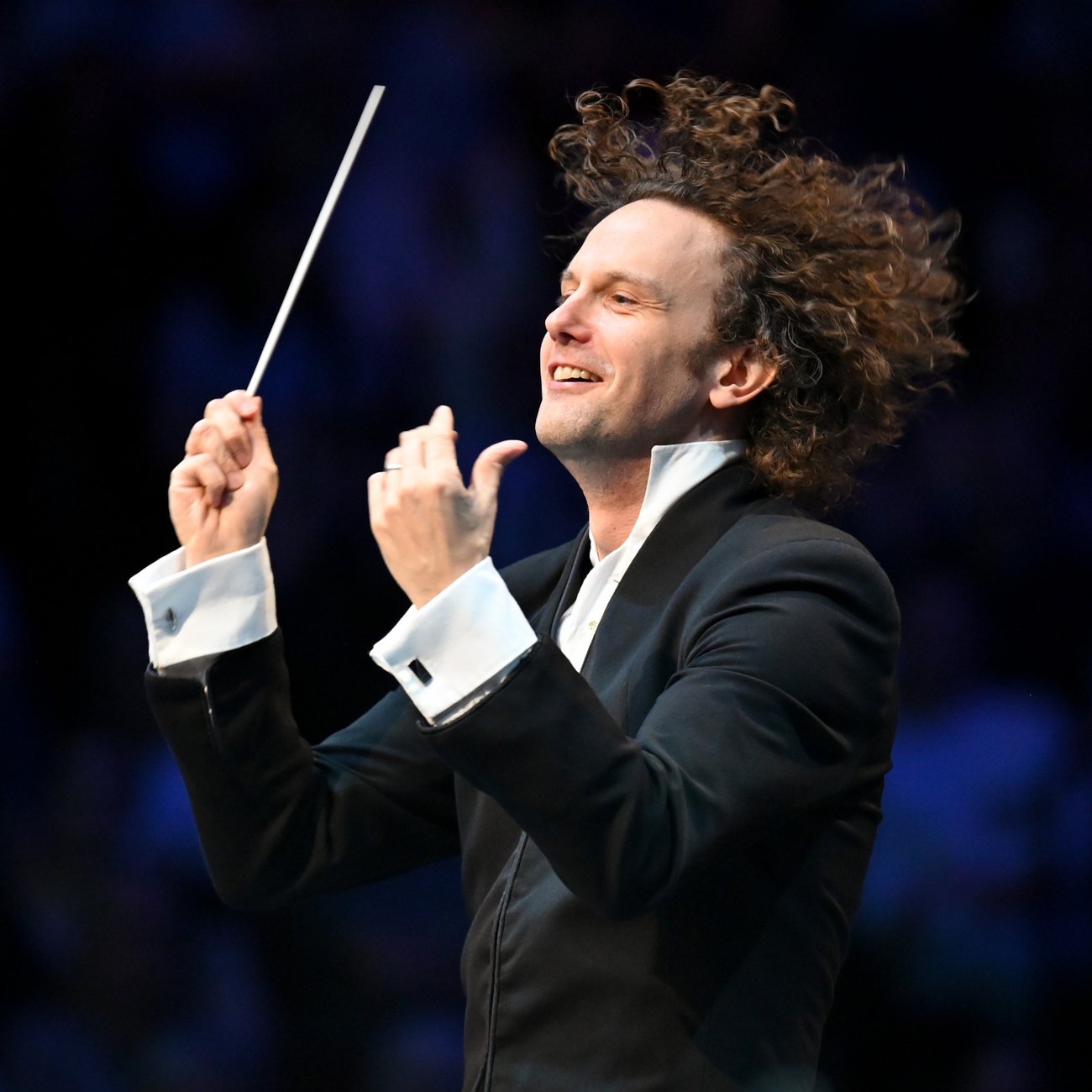
Nicholas Collon has renewed his contract as Chief Conductor of the Finnish Radio Symphony Orchestra until 2030, with an option for two further years beyond that. Appointed in 2021 as the first non-Finnish conductor in the orchestra's ninety-nine year history, Collon has now extended what could become an eleven-year tenure — a duration that registers as a counter-argument in a European conducting landscape defined by accelerating leadership turnover.
The FRSO is a broadcast orchestra — funded primarily through YLE television licence fees, mandated to record the Finnish orchestral archive, and committed to ten new commissions per season. That structural position gives it a stability that market-dependent orchestras cannot replicate. The Finnish state funding model has not been immune to pressure, but it has produced something increasingly rare: an institution with the financial architecture to support long-term artistic relationships rather than the rolling celebrity appointments that characterise orchestras whose programming is driven by box office. Collon's renewal is as much a statement about that model as it is about him.
His tenure's recorded output reflects the range the generated pieces about him consistently understate — Sibelius and Finnish repertoire alongside Elgar's Dream of Gerontius, Strauss's Eine Alpensinfonie, and Thomas Adès. The orchestra has been nominated twice for Gramophone's Orchestra of the Year during his tenure. The 2026/27 season opens with Ligeti's Le grand macabre at the Helsinki Festival and Berlin Musikfest — a grotesque satirical opera about the end of the world, written in 1978, which has a habit of becoming newly relevant. That Collon has programmed it to open a season whose themes include Gubaidulina, Szymanowski, and the Beethoven death bicentenary is a curatorial statement worth reading carefully.
What Collon brought was not Finnish cultural fluency but something the orchestra's own spokesman identified at the time as the willingness to take risks with difficult repertoire in a climate of genuine mutual trust. That description contains a tension the renewal does not resolve. A broadcast orchestra funded by licence fees carries a public accountability that a subscription-dependent ensemble does not — its audience is not self-selecting, and its programming is heard by people who did not choose to be in the room. The risk Collon has taken with Thomas Adès and Ligeti's Le grand macabre is a different order of risk from programming a fifth Sibelius cycle. Both fill the Helsinki Music Centre — the FRSO was running at 99% capacity before the pandemic — but they fill it differently, and for different reasons. Whether the audience that arrives for Sibelius stays for Adès, whether the technical demands of new repertoire build or erode the trust of listeners still finding their way into the concert hall, is the question every chief conductor of a state broadcast orchestra is quietly managing beneath the press release. Collon's eleven-year runway gives him more time than most to find out.