Ori Kam Departs Jerusalem Quartet
Slippedisc
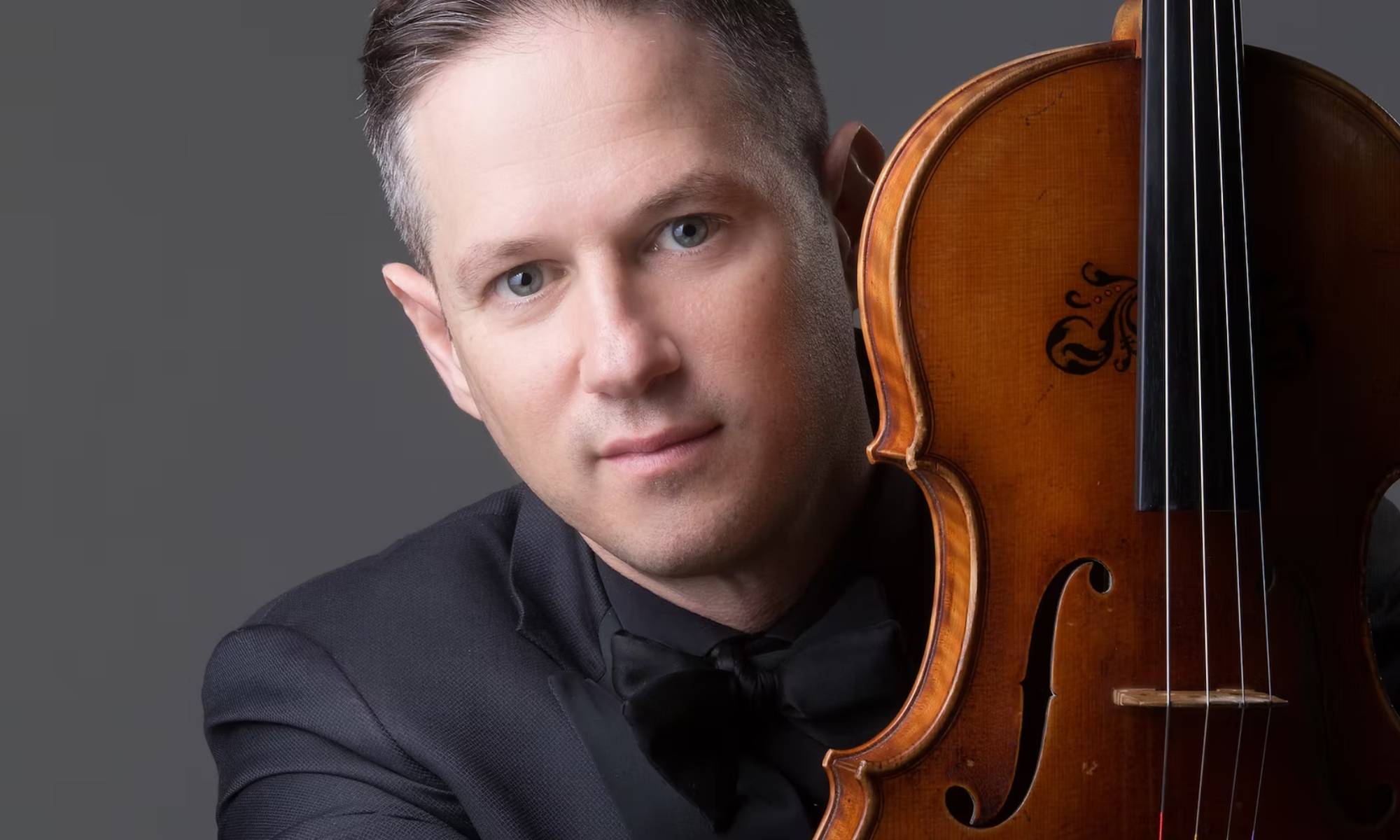
The Jerusalem Quartet has announced the permanent appointment of Alexander Gordon Zemtsov as its violist, closing a transitional year in which the ensemble — founded thirty years ago by Alexander Pavlovsky, Sergei Bresler, and Kyril Zlotnikov — performed with two candidates before arriving at their decision. Ori Kam, who held the viola chair for the better part of two decades, departed last season. The news is not Kam's exit but the quartet's answer to it.
The answer took a year to find, and the founding members' letter is precise about why. "From the very first rehearsals with him, there was a clear sense of personal and artistic chemistry, as well as a shared commitment to the values that guide us in our demanding profession." In quartet playing, that language is not diplomatic. Chemistry in this context is acoustic — the specific way two people's vibrato rates interact, the way bow pressure decisions in one part calibrate the intonation of another, the way a new voice either settles into or disturbs the ensemble's existing internal balance. Gordon Zemtsov, currently Professor of Viola in Cologne and Lausanne and among the most respected pedagogues of his generation, was not chosen for his credentials. He was chosen because he fits.
The viola is the string quartet's most structurally exposed voice. It carries the inner harmony — mediating between the cello's bass foundation and the violins' melodic surface — and bears primary responsibility for the ensemble's intonation: the accuracy of pitch in relation to every other voice simultaneously sounding. A quartet's viola sound is its fingerprint. The Jerusalem Quartet has built its reputation on a specific late-Romantic performance practice — saturated tone, singing line, an interpretive weight that suits the Beethoven late quartets and the Shostakovich cycle the ensemble has been documenting. That sound lived, for two decades, in Ori Kam's instrument and hands. Gordon Zemtsov now inherits its obligations.
The transitional season offered the quartet, and its audiences, a rare opportunity to hear what identity actually means in this context. The same Shostakovich, the same Beethoven Op. 130 with the Grosse Fuge, the same Ravel — performed with a different inner voice. Whether the ensemble's sound shifted perceptibly, and in which direction, is information the founding members have processed and acted on. The appointment of Gordon Zemtsov is their conclusion. The recordings that follow will be the evidence.