Robert Levin and the Restoration of Improvisatory Mechanics
Crescendo Magazine
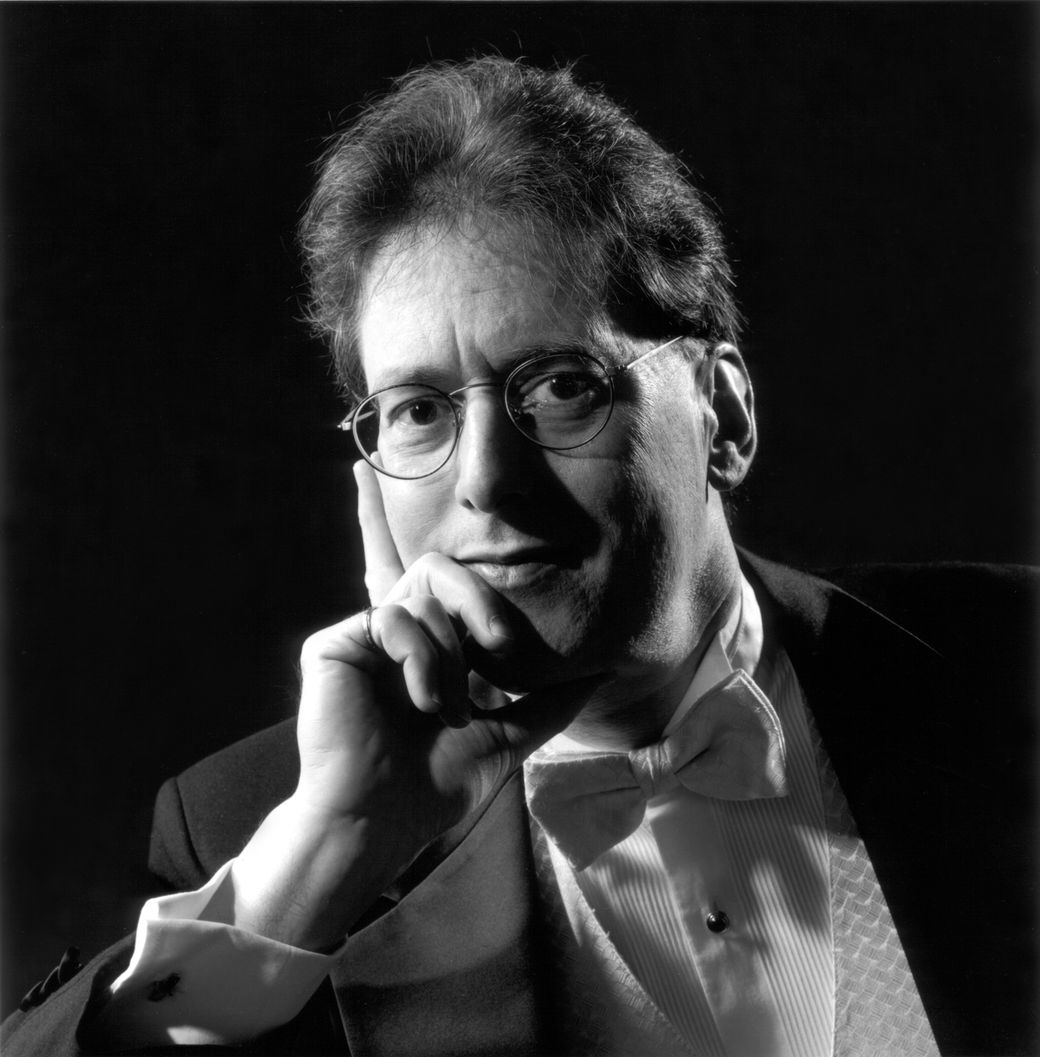
Robert Levin’s recordings of the Mozart sonatas with violinist G rard Poulet document how the performer has been displaced as a structural agent—an interlocutor who realizes the music’s latent form and texture rather than merely executing its surface.
This approach invokes the core tenets of Historically Informed Performance, questioning whether the score is an immutable monument or a fluid blueprint. By extemporaneously bridging harmonic voids and ornamenting sequences, the performer resumes their historical role as a co-creator, validating the eighteenth-century expectation that a musician must actively assemble material in real time to realize the composition’s intrinsic logic.
The modern conservatory treats the printed score as a closed system, a standard that solidified through the precision-focused recording culture of the late twentieth century. Levin identifies the requirement for note-perfect execution as a symptom of the performer’s diminished agency. Such rigidity in modern aesthetics stems - at least partially - from a retrospective projection of the Arnold Schoenberg legacy; though frequently cast as a revolutionary, Schoenberg had fondness toward a staunch classicist understanding of the past. Idealism demanded an unsentimental, anti-romantic fidelity to his text, but not so to the composers who have now been distorted under that scope. This has resulted in a treatment of Mozart’s work with a reverence for the ‘frozen’ page that would have been alien to the composer, who also improvised sections of his own scores himself.
In the eighteenth century, the printed page functioned as a template for improvisatory intervention rather than a static decree. In Mozart’s Violin Sonata K. 379, the sparse texture of the first movement is an occasion for the keyboardist to supply chordal fillers, a practice that restores the physical resonance and harmonic weight intended by the composer. Without these additions, the sonority remains a skeletal reduction. Levin identifies the decline of this craft in the transition from the era of C.P.E. Bach to the nineteenth-century rise of the immutable text. In the contemporary model, the performer is a curator of fixed events; in the Mozartian model, the performer is a collaborator in the musical invention. By reintegrating spontaneous ornamentation, Levin reinstates the necessity of stylistic literacy—a mechanic that the frozen museum model of current institutional training has largely excised.