The Vanishing Signature
The Violin Channel
On July 10th, a coalition of the music industry's major bodies — IFPI, RIAA, the Grammys, SAG-AFTRA among them — agreed on a voluntary label splitting "AI-Generated" tracks from merely "AI-Assisted" ones. The timing isn't incidental: Deezer says 44 percent of the new tracks it now receives are AI-made; Apple Music puts a third of its uploads in the same category.
The label needs no ear at all — a track is one category or the other by declaration, not by listening. That is precisely the judgment the German critic Kesting spent his career making without any label to help him. Tributes to him are still arriving this week. He built his reputation on being able to listen to a single recording and identify exactly where a singer's technique gave way to strain, where breath control had started to fail — a diagnostic skill built over decades that no AI detector currently matches. His writing on Maria Callas is remembered for exactly this: distinguishing, recording by recording, where her control was a choice and where it was cost.
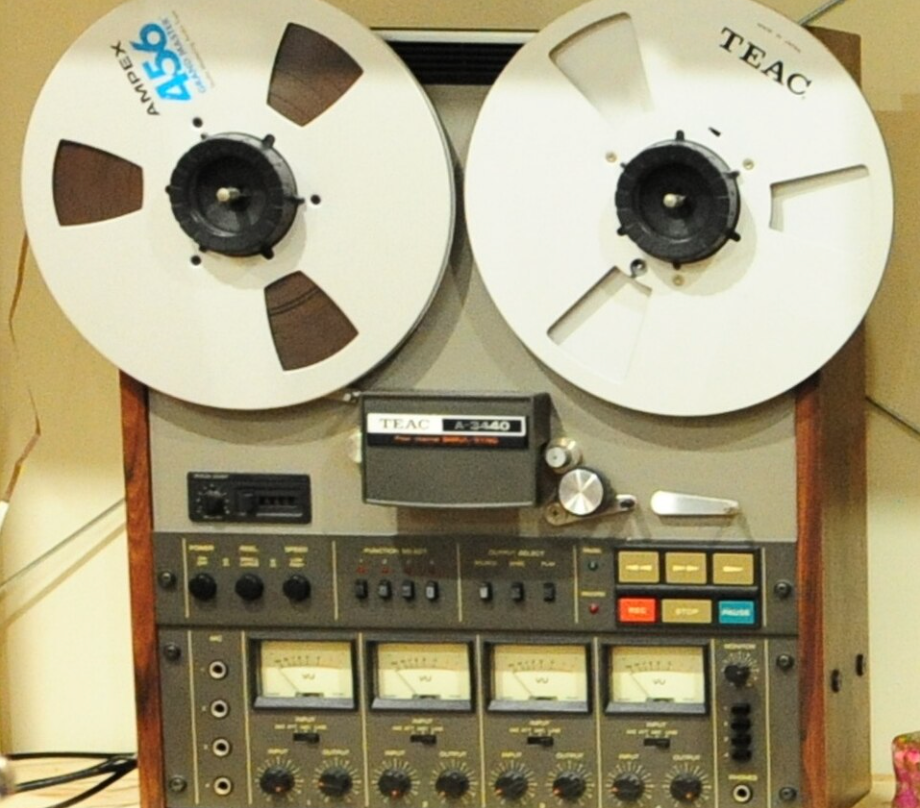
Herbert von Karajan, who died on this date in 1989, is a reminder that "human" and "engineered" have been tangled for longer than AI has existed. His 1963 recording of Beethoven's Ninth Symphony with the Berlin Philharmonic was built from microphone placement and spliced tape, not from a single performance in a single room. Critics of Kesting's generation were among the last people equipped to hear exactly where that construction happened.
Nobody left can hear it the way he did. The industry's new label exists because that skill is gone, and a checkbox is what's left to replace it.