Two Recordings, One Opera: Pergolesi's L'Olimpiade
The Guardian
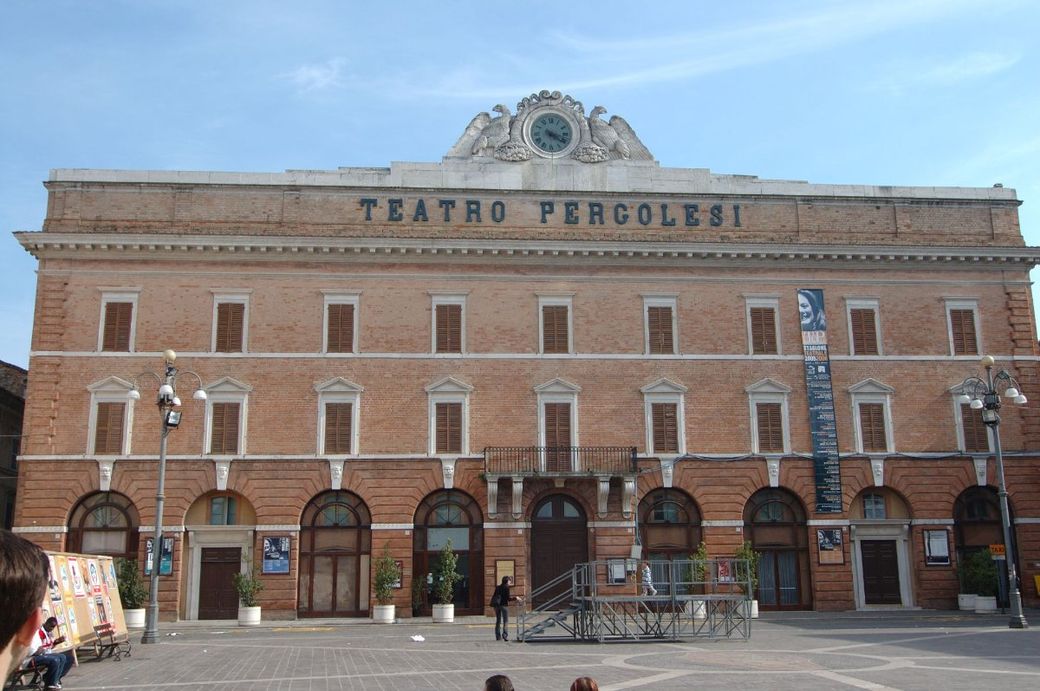
Giovanni Battista Pergolesi finished L'Olimpiade in 1735 and was dead within the year, at twenty-six, of causes his admirers have spent three centuries wishing had waited. That leaves every recording of the opera doing a job beyond the one printed on the libretto. Yes, it has to stage the plot — disguised athletes, mistaken lovers, a mix-up at the ancient Games that nobody watching would mistake for actual sport — but it also has to argue, on a dead man's behalf, for a career that never got the chance to prove itself. Two recordings are making that argument right now, from opposite ends of a stopwatch, and the ninety minutes between them is the entire fight.
Alessandro De Marchi's account is the one you'd hand a scholar: a patient four hours that lets the opera breathe at something like its original scale, recitative and all. Giulio Prandi's new recording with the Orchestra Ghislieri — taped live last year in Jesi, Pergolesi's hometown — takes a knife to that runtime and gets out in two and a half hours, and the critics who've sat through both agree on roughly what got cut and why. Reviewing De Marchi for BBC Music Magazine, Berta Joncus admired the drama but flagged its 'long stretches of secco recitative' — the sung-speech connective tissue between arias that, stretched too far, turns a baroque opera into a story told in instalments. Prandi's edit goes straight at that complaint and removes it.
What that buys is momentum, and the Guardian's Clive Paget hears it: he calls the conducting 'ideally pacy,' the orchestra 'sinewy and tightly sprung,' and rates Carlotta Colombo's Aristea and Theodora Raftis's boyish Megacle without a single reservation. What it costs is body — Paget himself concedes the set 'lacks the sonic depth' of De Marchi's studio sound, and the live source comes with stage noise and the odd burst of applause bleeding through the mix. Neither recording is wrong; they're answering different questions. De Marchi is the version for someone who already loves this opera and wants to live inside it. Prandi is the version that makes a stranger fall for it in the first place — and since most listeners meeting L'Olimpiade for the first time haven't earned De Marchi's patience yet, Prandi is the one to buy first. You can always go back for the other three centuries' worth of secco recitative once you're hooked.